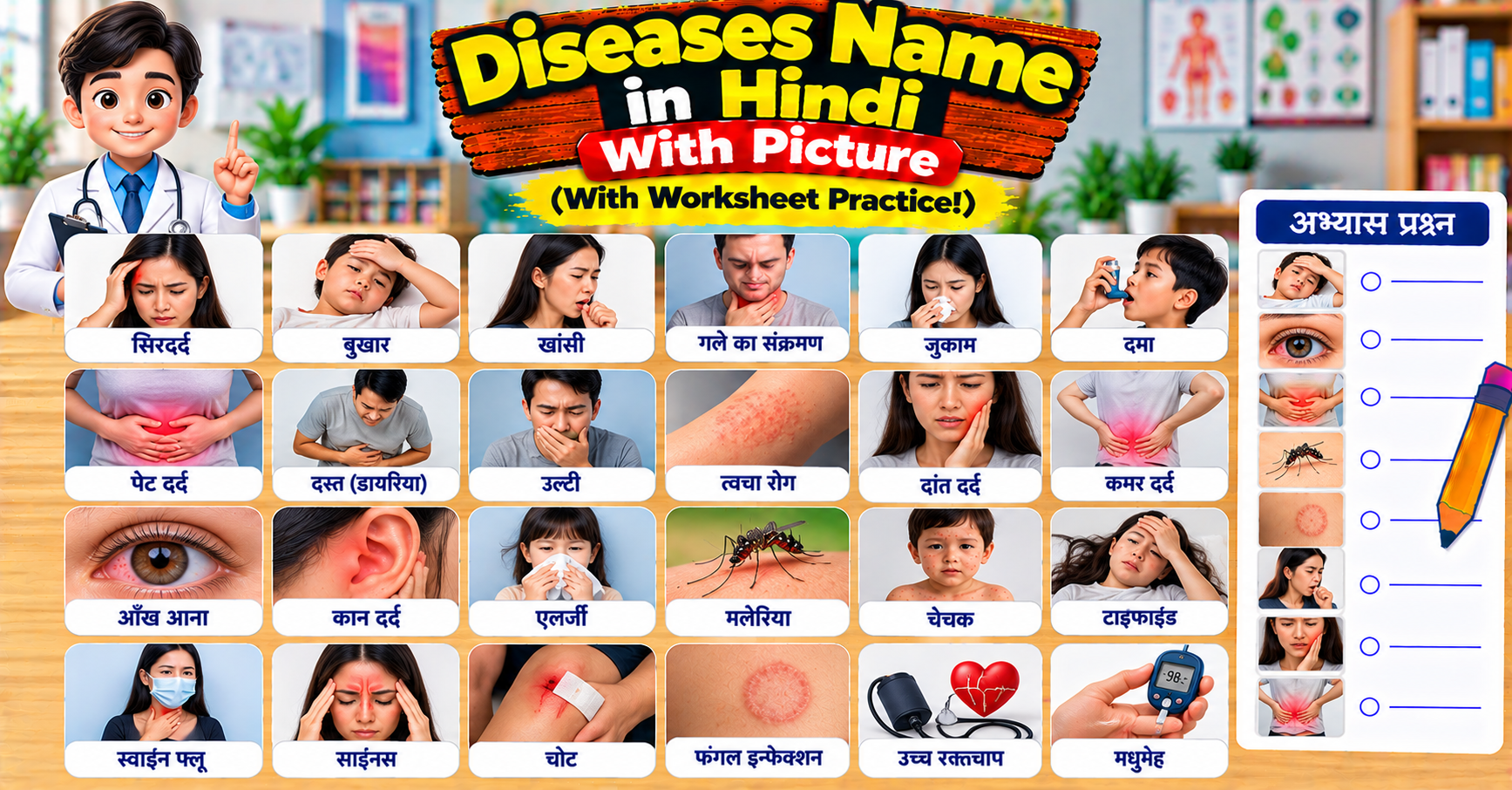
Diseases are an important part of everyday health-related vocabulary. Learning diseases names in Hindi can help children, students, Hindi learners, and beginners understand simple conversations about health, illness, symptoms, and medical care.
People may experience different types of illnesses, including common infections, seasonal illnesses, digestive problems, respiratory conditions, skin diseases, and other health conditions. Common examples include बुखार, सर्दी, खाँसी, फ्लू, मलेरिया, डेंगू, मधुमेह, और दमा.
Learning disease names with pictures can make Hindi vocabulary easier to understand and remember. Let us explore useful diseases names in Hindi with their English meanings and basic descriptions.
Learn Diseases Names in Hindi
Disease-related vocabulary is commonly used when people talk about health, illness, symptoms, hospitals, doctors, medicines, and medical care.
For example:
- बुखार means Fever.
- सर्दी means Cold.
- खाँसी means Cough.
- फ्लू means Flu.
- मलेरिया means Malaria.
- डेंगू means Dengue.
- मधुमेह means Diabetes.
- दमा means Asthma.
- निमोनिया means Pneumonia.
- क्षय रोग means Tuberculosis.
Learning these words helps Hindi learners understand basic health-related conversations more easily.
Benefits of Learning Diseases Names
Learning disease vocabulary helps students develop practical Hindi words related to health and everyday communication. These words can be useful when talking with family members, teachers, doctors, or other people about illness.
Disease names are also useful for understanding simple Hindi health articles, educational materials, hospital signs, and conversations about common illnesses.
Learning these words also introduces related vocabulary such as लक्षण for symptoms, रोग for disease, इलाज for treatment, डॉक्टर for doctor, अस्पताल for hospital, and दवा for medicine.
However, knowing a disease name or its common symptoms does not replace professional medical advice or diagnosis.
Diseases Names in Hindi With Pictures
Pictures can be a helpful way to learn disease-related vocabulary because learners can connect each Hindi word with an educational illustration or a familiar health concept.
Some common diseases and illnesses to learn include बुखार, सर्दी, खाँसी, फ्लू, मलेरिया, डेंगू, चिकनपॉक्स, खसरा, दमा, मधुमेह, और निमोनिया.
Disease-related pictures can be used for classroom lessons, vocabulary worksheets, flashcards, children’s learning activities, and Hindi language practice.
For health topics, educational illustrations are generally more appropriate than graphic medical images, especially for children.

Fever
बुखार
Syllable: Fever
Pronunciation: Bukhar
- He has a fever. – उसे बुखार है।
- The fever lasted for two days. – बुखार दो दिनों तक रहा।
- She took medicine for her fever. – उसने बुखार के लिए दवा ली।
Common Cold
सर्दी-जुकाम
Syllable: Common Cold
Pronunciation: Sardi-Zukam
- He has a common cold. – उसे सर्दी-जुकाम है।
- A common cold can cause a runny nose. – सर्दी-जुकाम से नाक बह सकती है।
- She stayed home because of a cold. – वह सर्दी-जुकाम के कारण घर पर रही।

Cough
खाँसी
Syllable: Cough
Pronunciation: Khaansi
- He has a bad cough. – उसे बहुत खाँसी है।
- The cough lasted for a week. – खाँसी एक सप्ताह तक रही।
- She took medicine for her cough. – उसने खाँसी के लिए दवा ली।
Flu
फ़्लू
Syllable: Flu
Pronunciation: Flu
- He has the flu. – उसे फ़्लू है।
- Flu can cause fever and tiredness. – फ़्लू से बुखार और थकान हो सकती है।
- She is recovering from the flu. – वह फ़्लू से ठीक हो रही है।
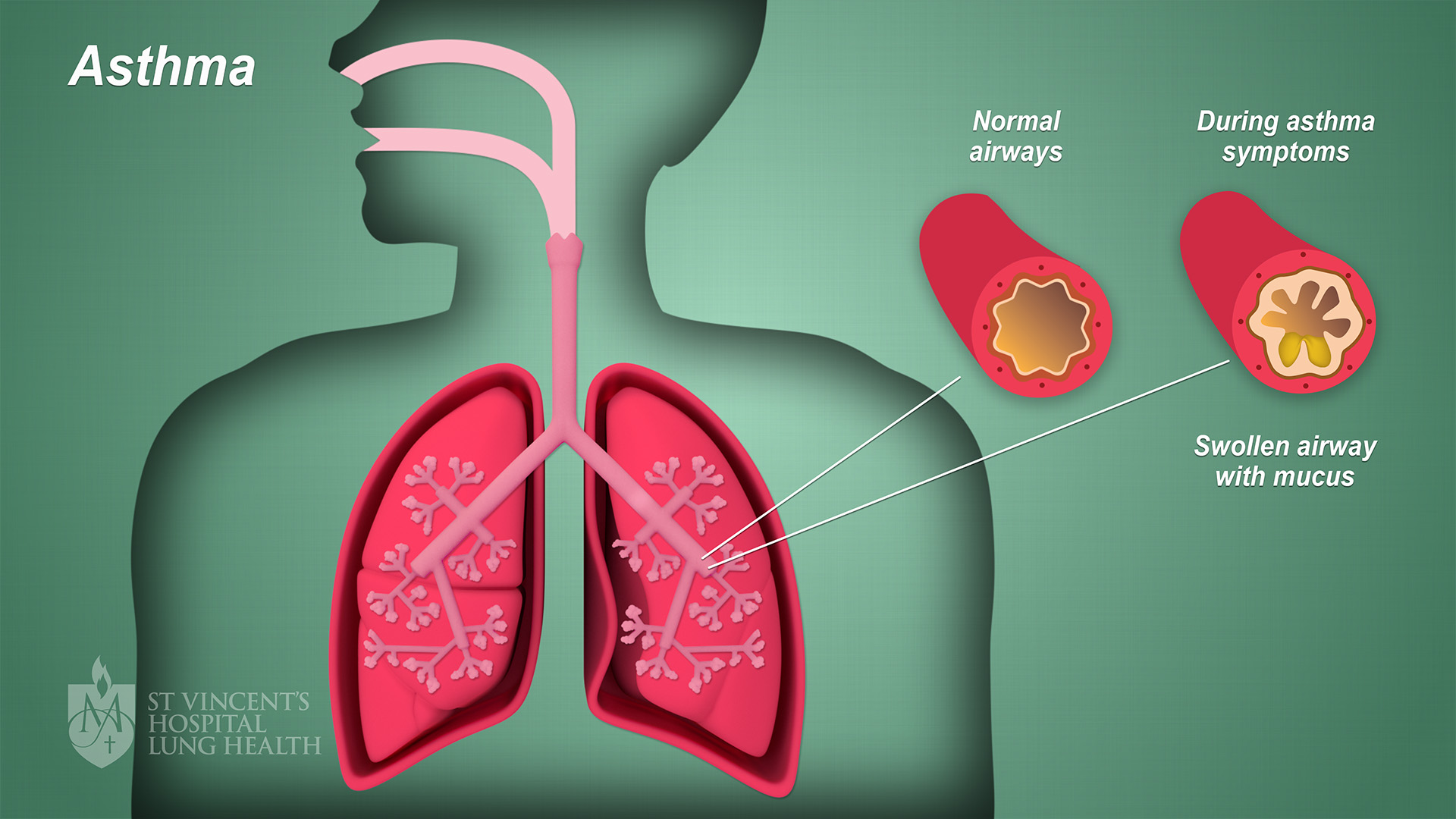
Asthma
दमा
Syllable: Asthma
Pronunciation: Dama
- He has asthma. – उसे दमा है।
- Asthma can make breathing difficult. – दमा से साँस लेने में कठिनाई हो सकती है।
- She uses her prescribed inhaler for asthma. – वह दमा के लिए डॉक्टर द्वारा निर्धारित इनहेलर का उपयोग करती है।

Diabetes
मधुमेह
Syllable: Diabetes
Pronunciation: Madhumeh
- He has diabetes. – उसे मधुमेह है।
- Diabetes affects blood sugar levels. – मधुमेह रक्त शर्करा के स्तर को प्रभावित करता है।
- She manages her diabetes with medical care. – वह चिकित्सकीय देखभाल से अपने मधुमेह को नियंत्रित करती है।

Hypertension
उच्च रक्तचाप
Syllable: Hypertension
Pronunciation: Uchch Raktchaap
- He has hypertension. – उसे उच्च रक्तचाप है।
- Hypertension can have no obvious symptoms. – उच्च रक्तचाप में स्पष्ट लक्षण नहीं भी हो सकते हैं।
- Regular checkups can help monitor hypertension. – नियमित जाँच से उच्च रक्तचाप की निगरानी में मदद मिल सकती है।

Heart Disease
हृदय रोग
Syllable: Heart Disease
Pronunciation: Hriday Rog
- Heart disease can affect the heart. – हृदय रोग हृदय को प्रभावित कर सकता है।
- He receives medical care for heart disease. – वह हृदय रोग के लिए चिकित्सकीय देखभाल लेता है।
- A healthy lifestyle can support heart health. – स्वस्थ जीवनशैली हृदय के स्वास्थ्य में सहायक हो सकती है।
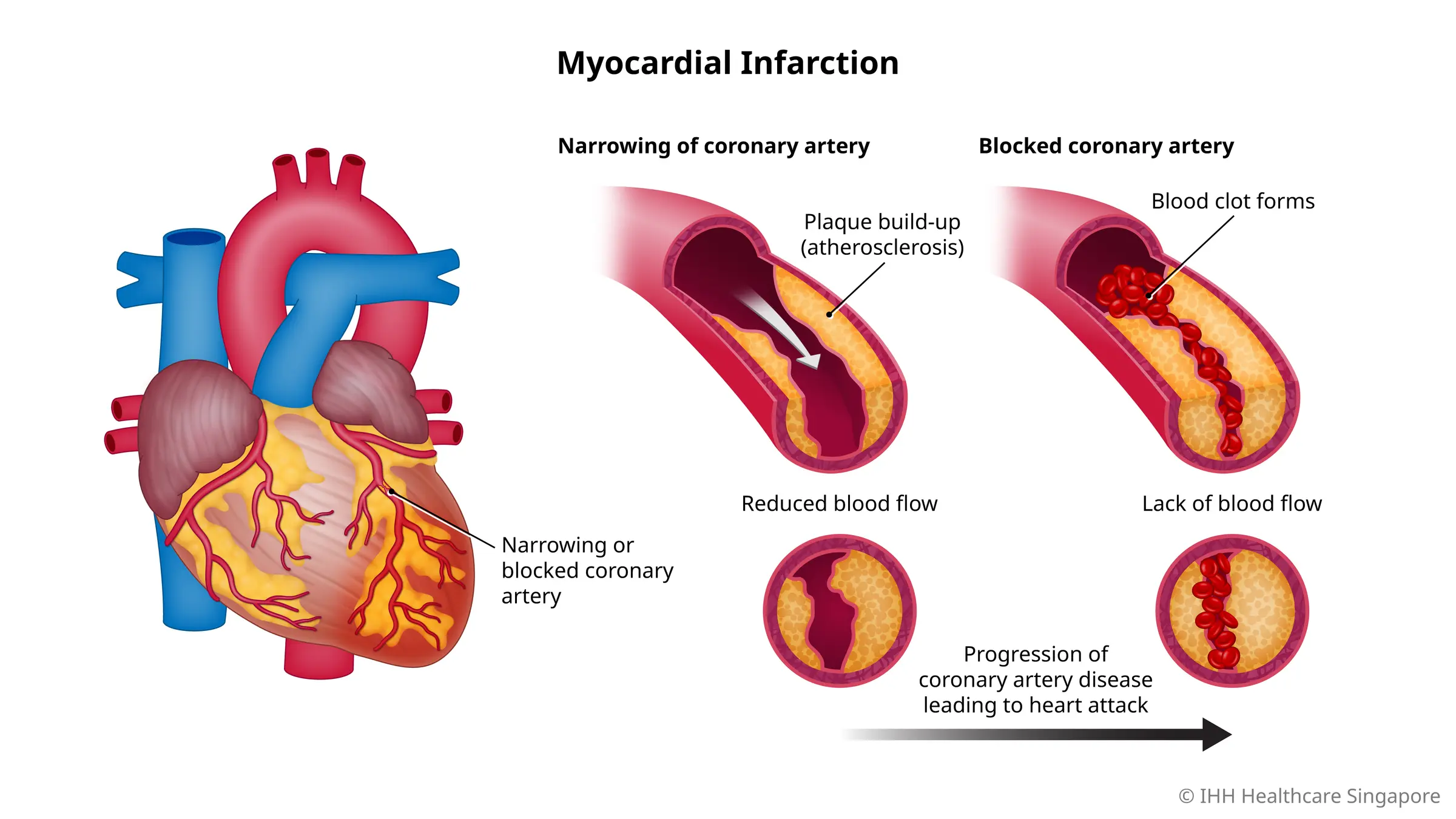
Heart Attack
दिल का दौरा
Syllable: Heart Attack
Pronunciation: Dil Ka Daura
- A heart attack is a medical emergency. – दिल का दौरा एक चिकित्सकीय आपात स्थिति है।
- He was taken to the hospital after a heart attack. – दिल का दौरा पड़ने के बाद उसे अस्पताल ले जाया गया।
- Immediate medical help is important. – तुरंत चिकित्सकीय सहायता लेना महत्वपूर्ण है।
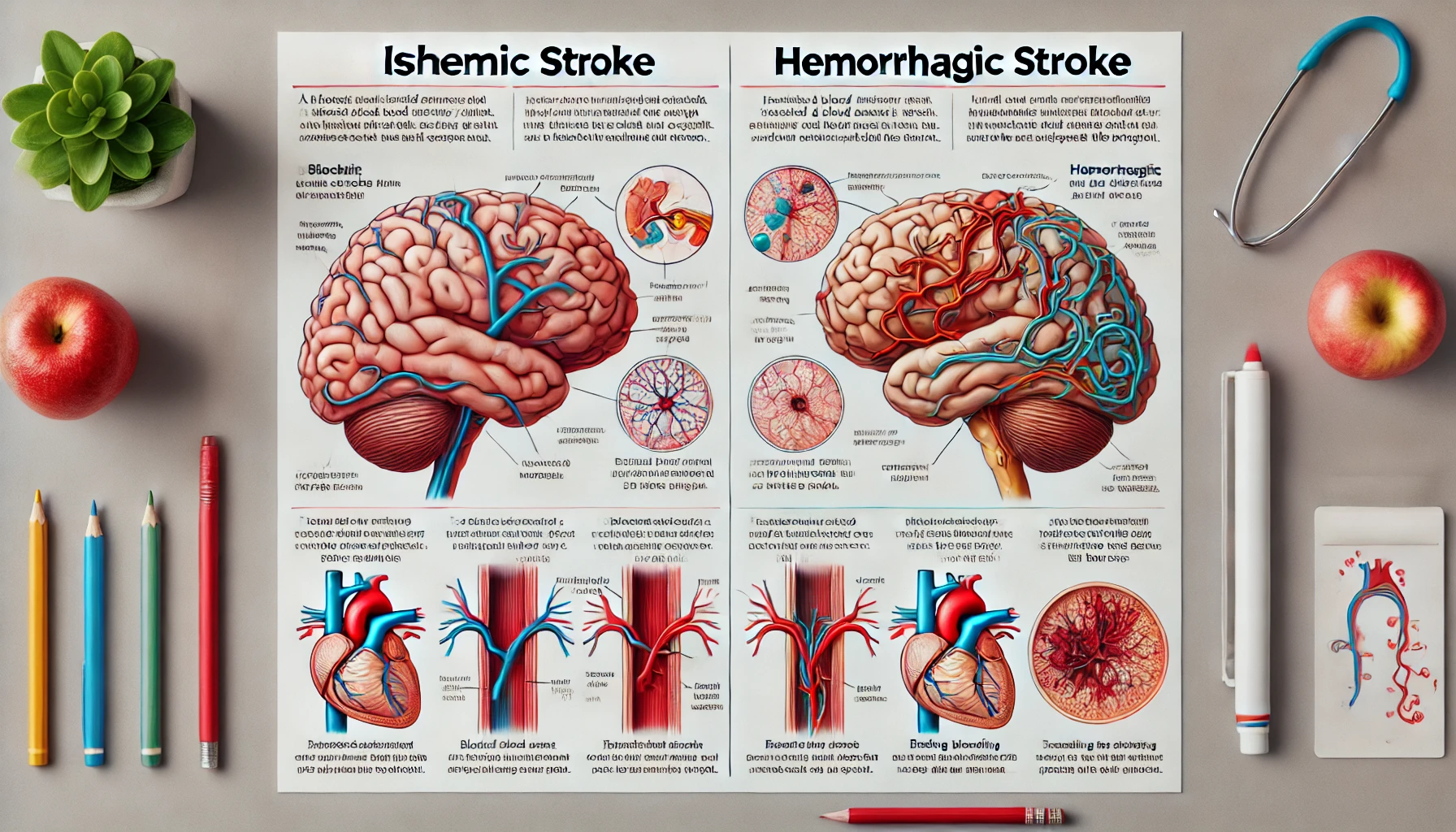
Stroke
आघात
Syllable: Stroke
Pronunciation: Aaghaat
- A stroke requires urgent medical attention. – आघात में तुरंत चिकित्सकीय सहायता की आवश्यकता होती है।
- He was taken to the hospital after a stroke. – आघात के बाद उसे अस्पताल ले जाया गया।
- Doctors treated the stroke quickly. – डॉक्टरों ने आघात का जल्दी उपचार किया।
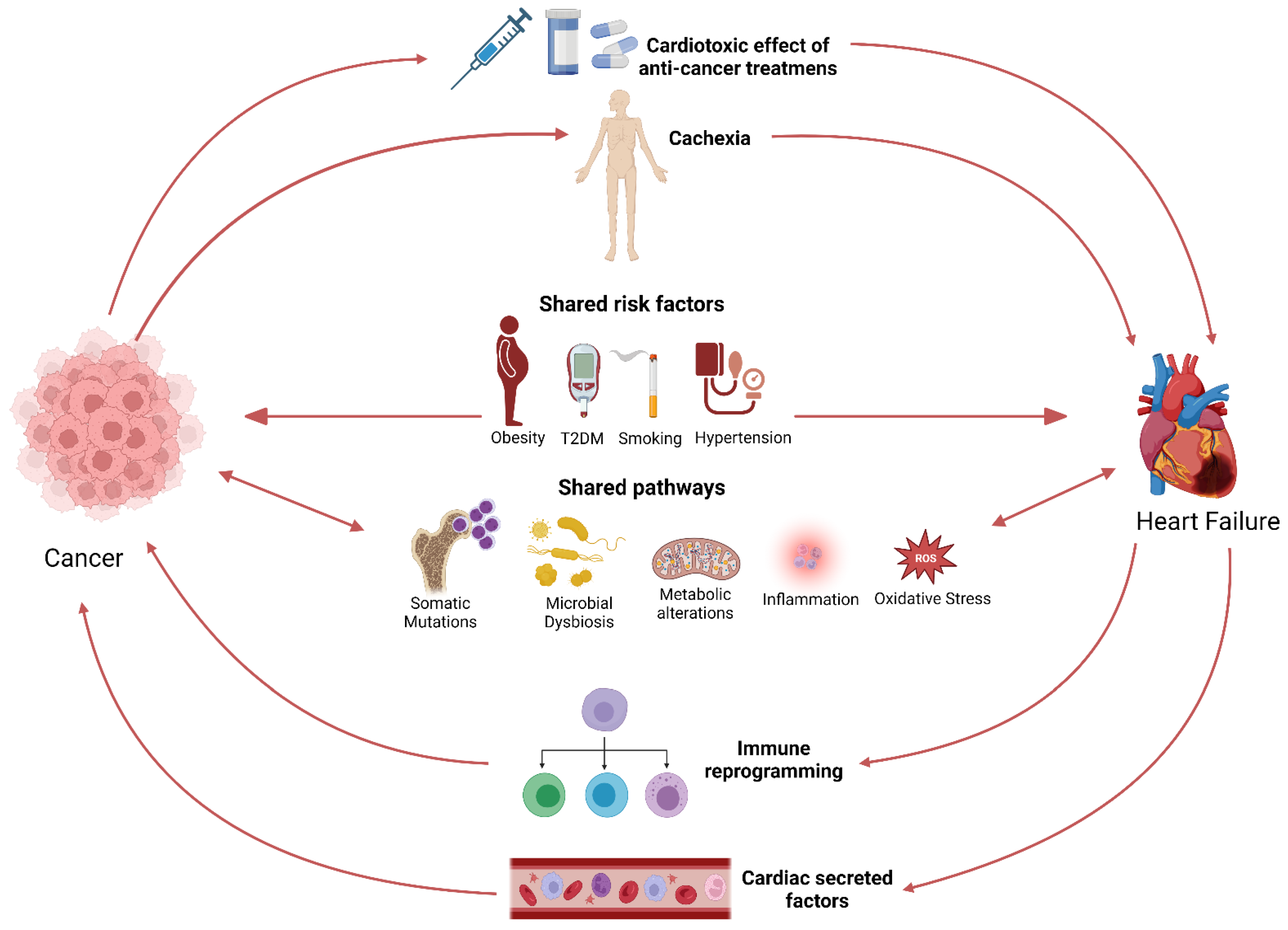
Cancer
कैंसर
Syllable: Cancer
Pronunciation: Cancer
- Cancer can affect different parts of the body. – कैंसर शरीर के विभिन्न हिस्सों को प्रभावित कर सकता है।
- He is receiving treatment for cancer. – वह कैंसर का उपचार ले रहा है।
- Regular medical care is important during cancer treatment. – कैंसर के उपचार के दौरान नियमित चिकित्सकीय देखभाल महत्वपूर्ण है।
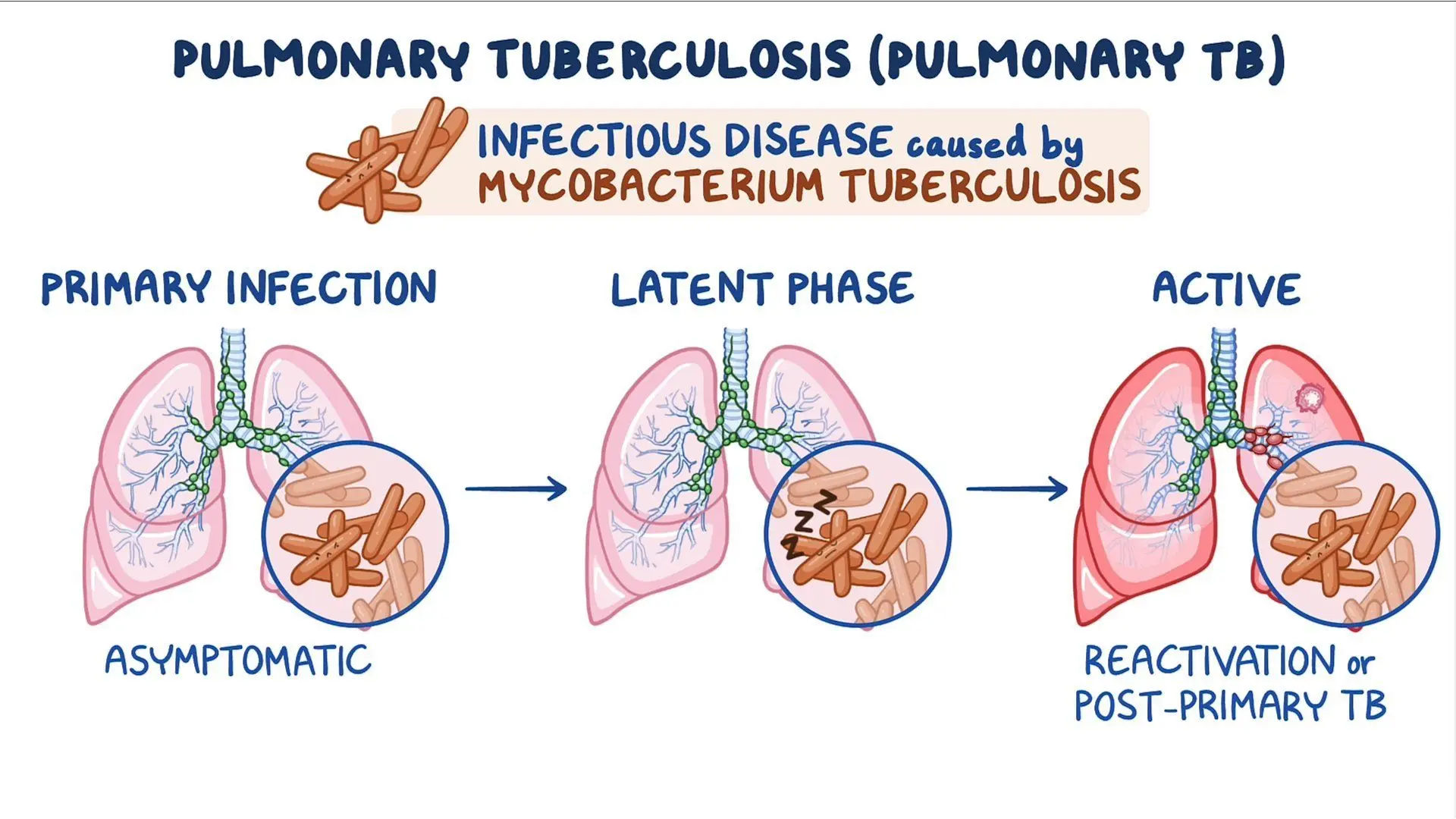
Tuberculosis
तपेदिक
Syllable: Tuberculosis
Pronunciation: Tapedik
- Tuberculosis is a bacterial disease. – तपेदिक एक जीवाणु रोग है।
- Tuberculosis commonly affects the lungs. – तपेदिक आमतौर पर फेफड़ों को प्रभावित करता है।
- He is receiving treatment for tuberculosis. – वह तपेदिक का उपचार ले रहा है।

Pneumonia
निमोनिया
Syllable: Pneumonia
Pronunciation: Nimoniya
- Pneumonia can affect the lungs. – निमोनिया फेफड़ों को प्रभावित कर सकता है।
- She was diagnosed with pneumonia. – उसमें निमोनिया का निदान हुआ।
- He is recovering from pneumonia. – वह निमोनिया से ठीक हो रहा है।
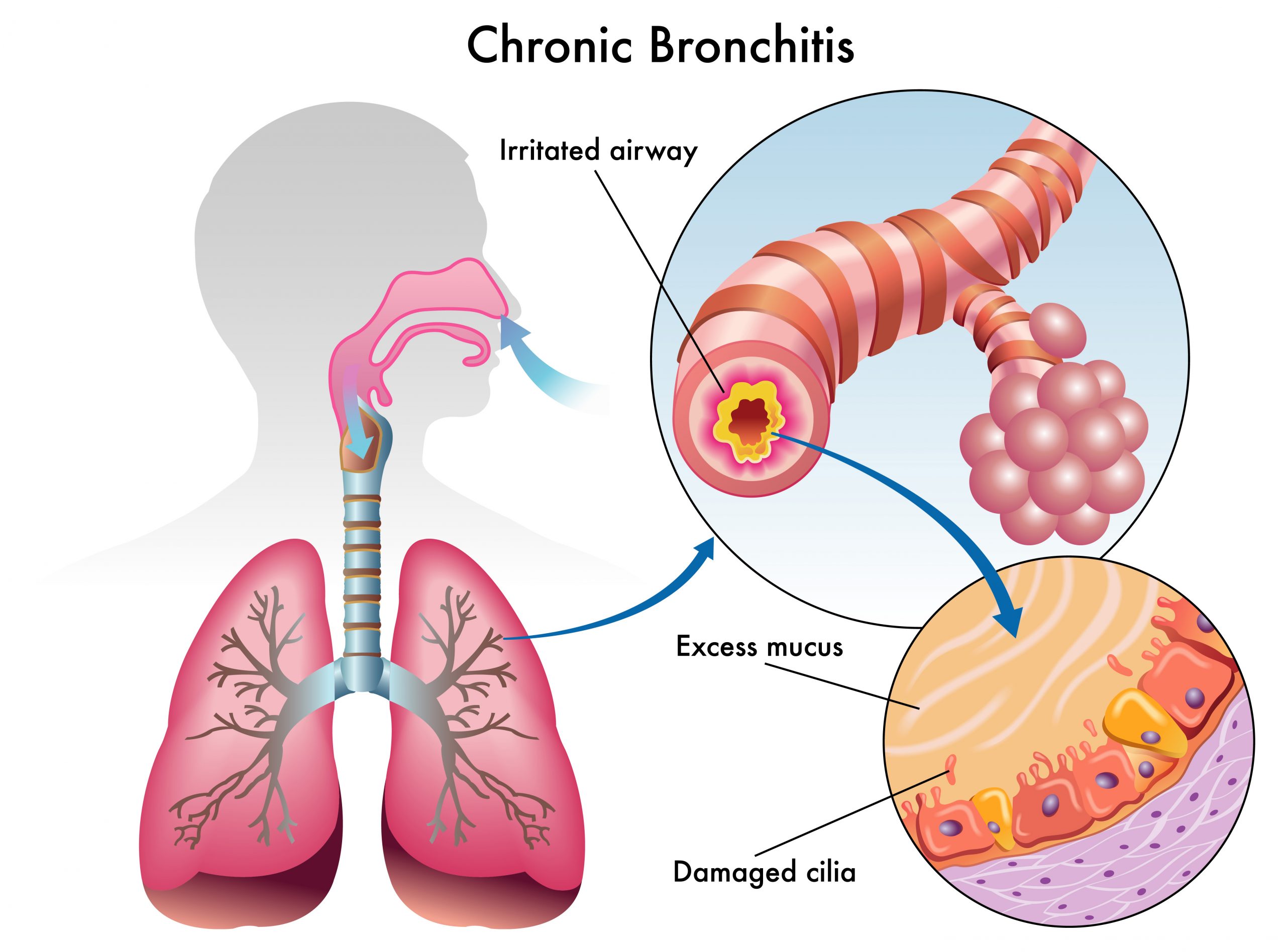
Bronchitis
ब्रोंकाइटिस
Syllable: Bronchitis
Pronunciation: Bronchitis
- Bronchitis can cause coughing. – ब्रोंकाइटिस से खाँसी हो सकती है।
- He has acute bronchitis. – उसे तीव्र ब्रोंकाइटिस है।
- The doctor examined his breathing. – डॉक्टर ने उसकी साँस की जाँच की।
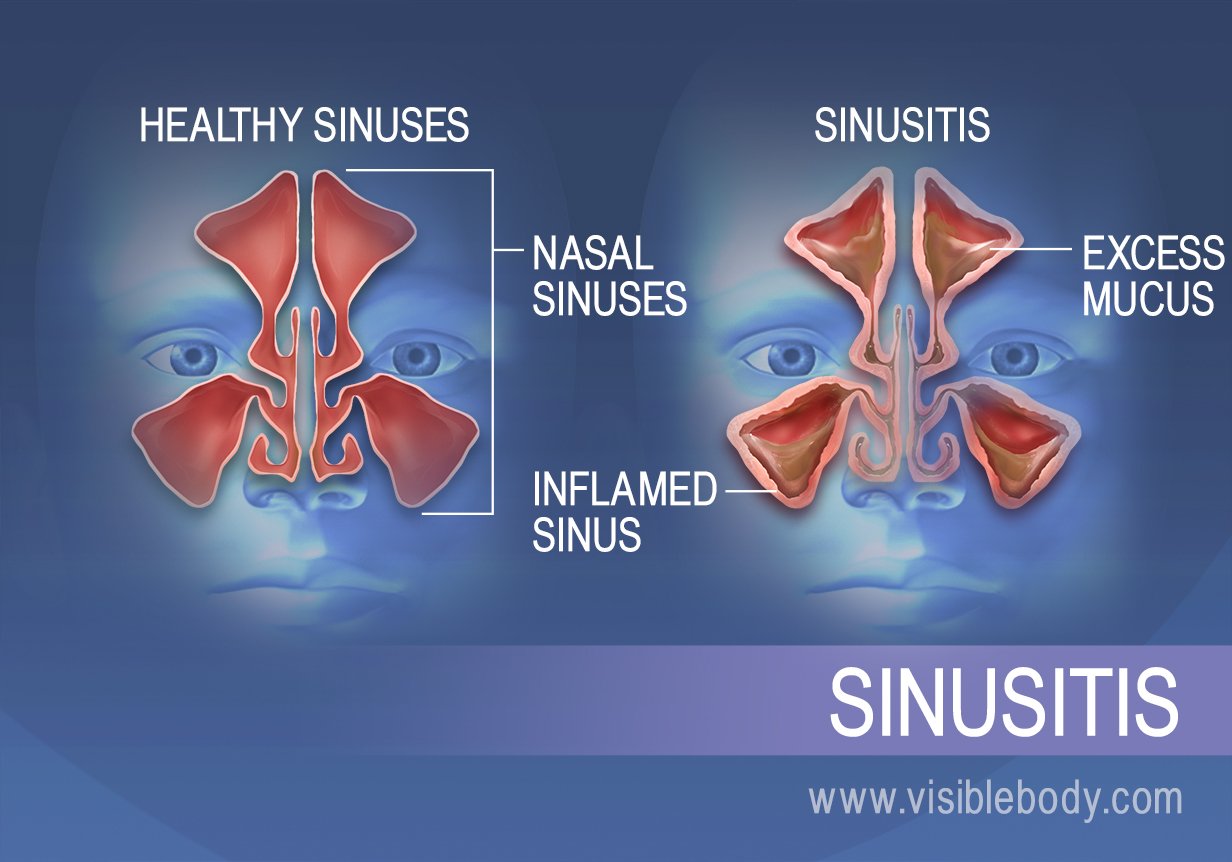
Sinusitis
साइनसाइटिस
Syllable: Sinusitis
Pronunciation: Sinusitis
- Sinusitis can cause facial pressure. – साइनसाइटिस से चेहरे पर दबाव महसूस हो सकता है।
- He has sinusitis. – उसे साइनसाइटिस है।
- The doctor recommended treatment for sinusitis. – डॉक्टर ने साइनसाइटिस के लिए उपचार की सलाह दी।
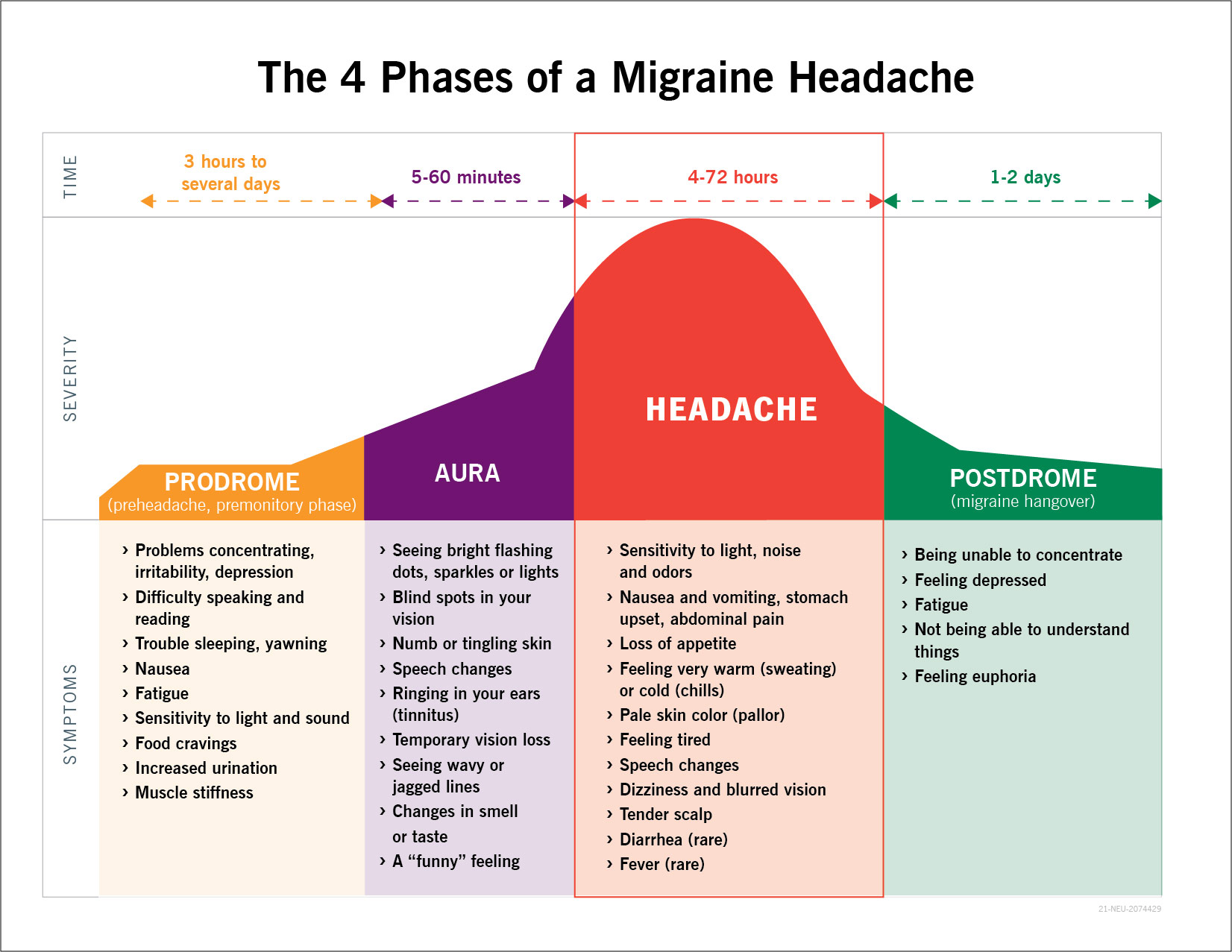
Migraine
माइग्रेन
Syllable: Migraine
Pronunciation: Migraine
- She suffers from migraine attacks. – उसे माइग्रेन के दौरे पड़ते हैं।
- Migraine can cause severe headache. – माइग्रेन से तेज़ सिरदर्द हो सकता है।
- She rests in a quiet room during a migraine. – माइग्रेन के दौरान वह शांत कमरे में आराम करती है।

Headache
सिरदर्द
Syllable: Headache
Pronunciation: Sirdard
- I have a headache. – मेरे सिर में दर्द है।
- He rested because of his headache. – उसने सिरदर्द के कारण आराम किया।
- The headache went away after some rest. – कुछ आराम के बाद सिरदर्द ठीक हो गया।
:max_bytes(150000):strip_icc()/what-is-wrong-with-my-stomach-4138111-5c454a7cc9e77c0001b21d85-5c2ddd1c5370453b8ec4ff45faefd184.png)
Stomachache
पेट दर्द
Syllable: Stomachache
Pronunciation: Pet Dard
- He has a stomachache. – उसके पेट में दर्द है।
- The child complained of a stomachache. – बच्चे ने पेट दर्द की शिकायत की।
- She rested because of her stomachache. – उसने पेट दर्द के कारण आराम किया।

Diarrhea
दस्त
Syllable: Diarrhea
Pronunciation: Dast
- Diarrhea can cause dehydration. – दस्त से शरीर में पानी की कमी हो सकती है।
- He had diarrhea for two days. – उसे दो दिनों तक दस्त रहे।
- He drank fluids to prevent dehydration. – उसने पानी की कमी से बचने के लिए तरल पदार्थ पिए।
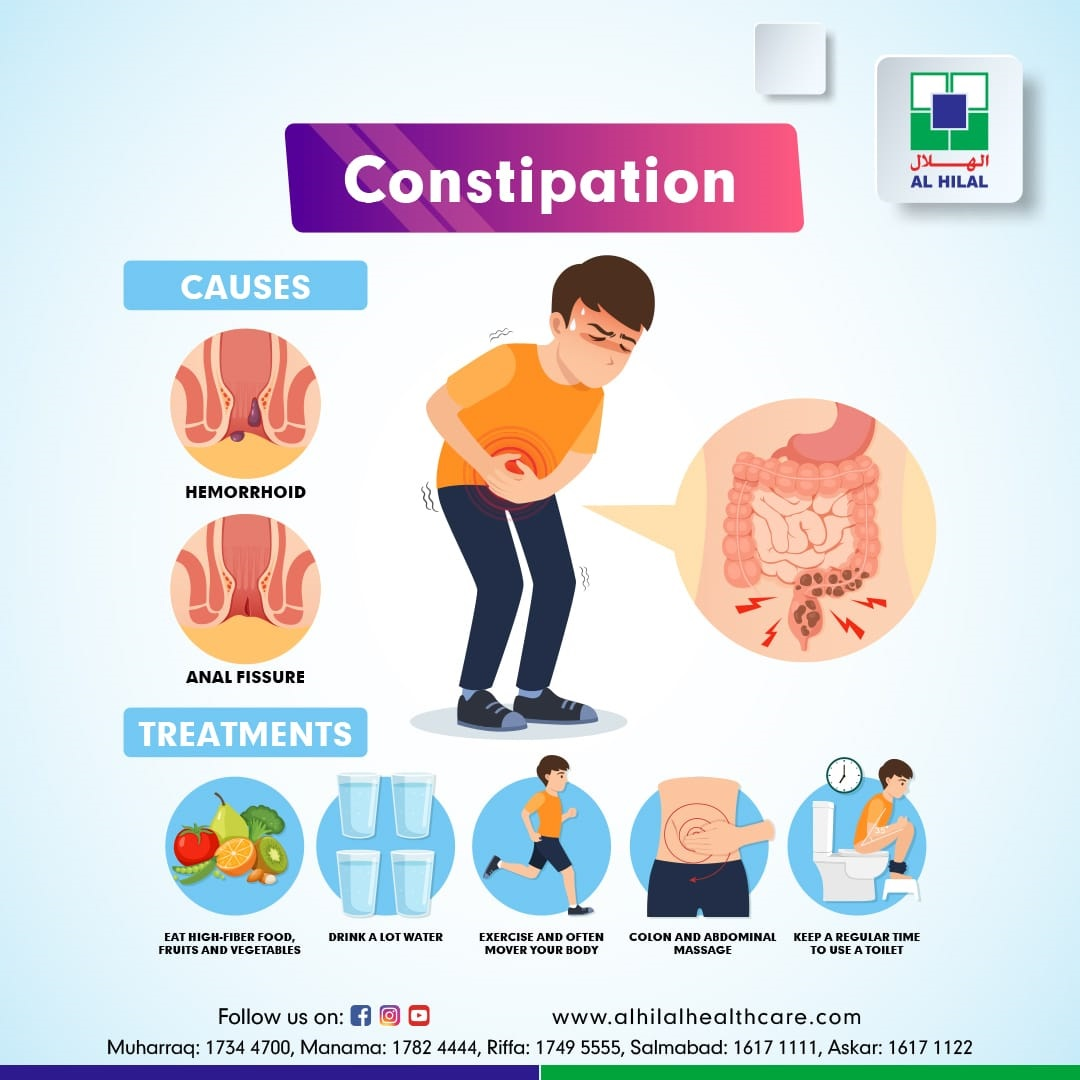
Constipation
कब्ज़
Syllable: Constipation
Pronunciation: Kabz
- He suffers from constipation. – उसे कब्ज़ की समस्या है।
- Constipation can be uncomfortable. – कब्ज़ असहज हो सकता है।
- Drinking enough water can help prevent constipation. – पर्याप्त पानी पीने से कब्ज़ से बचने में मदद मिल सकती है।
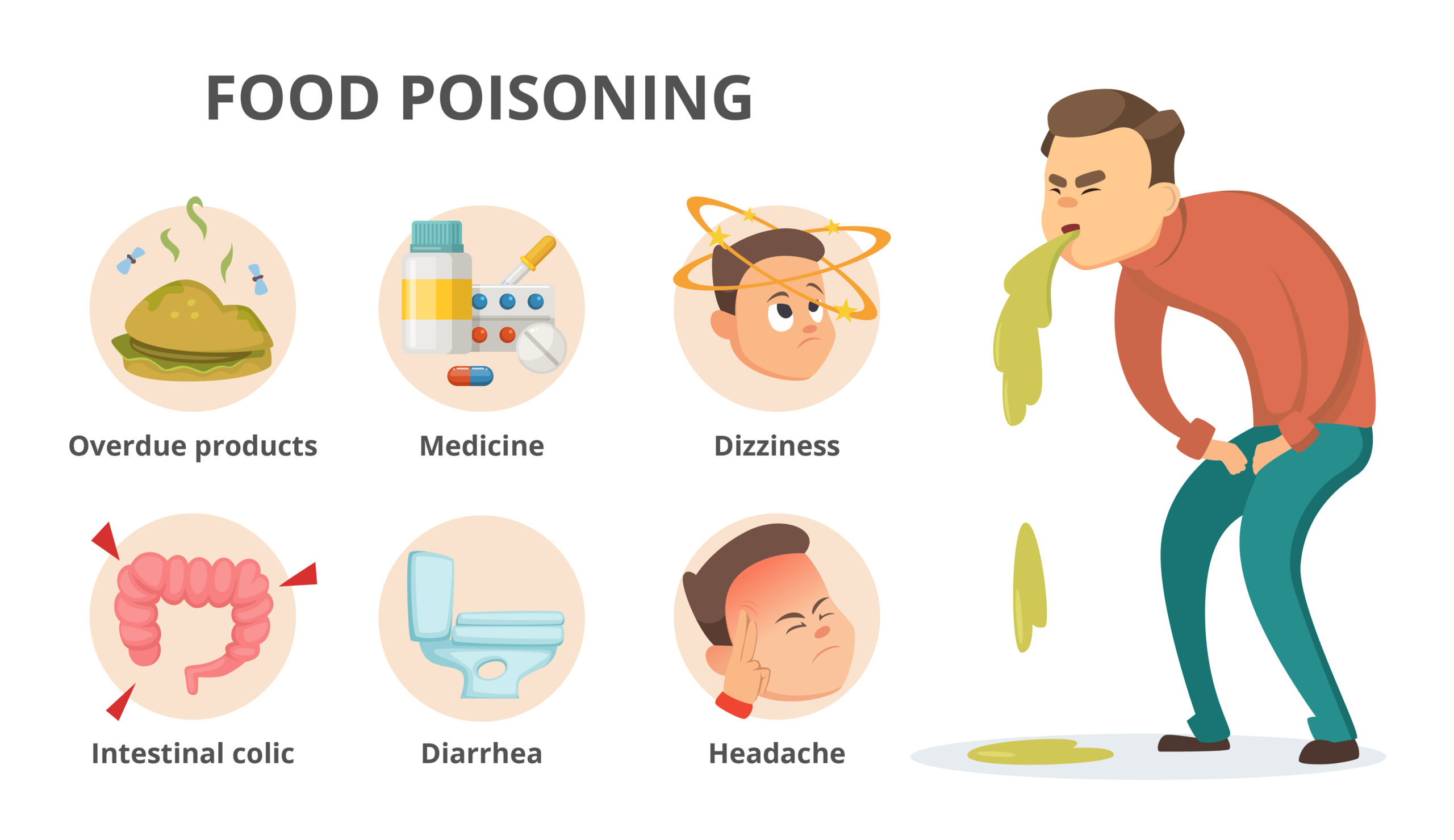
Food Poisoning
खाद्य विषाक्तता
Syllable: Food Poisoning
Pronunciation: Khadya Vishaktata
- He became sick from food poisoning. – खाद्य विषाक्तता के कारण वह बीमार हो गया।
- Food poisoning can cause vomiting and diarrhea. – खाद्य विषाक्तता से उल्टी और दस्त हो सकते हैं।
- She recovered after receiving medical care. – चिकित्सकीय देखभाल मिलने के बाद वह ठीक हो गई।

Food Allergy
खाद्य एलर्जी
Syllable: Food Allergy
Pronunciation: Khadya Allergy
- He has a food allergy. – उसे खाद्य एलर्जी है।
- A food allergy can cause different symptoms. – खाद्य एलर्जी से अलग-अलग लक्षण हो सकते हैं।
- She avoids foods that cause her allergy. – वह उन खाद्य पदार्थों से बचती है जिनसे उसे एलर्जी होती है।
:max_bytes(150000):strip_icc()/eczema-728768147-5999e54cd088c0001121172e-85afca1fc7d64b5b940e7a44fd31adea.jpg)
Skin Allergy
त्वचा की एलर्जी
Syllable: Skin Allergy
Pronunciation: Twacha Ki Allergy
- She has a skin allergy. – उसे त्वचा की एलर्जी है।
- A skin allergy can cause itching. – त्वचा की एलर्जी से खुजली हो सकती है।
- She visited a doctor for her skin allergy. – उसने त्वचा की एलर्जी के लिए डॉक्टर से सलाह ली।
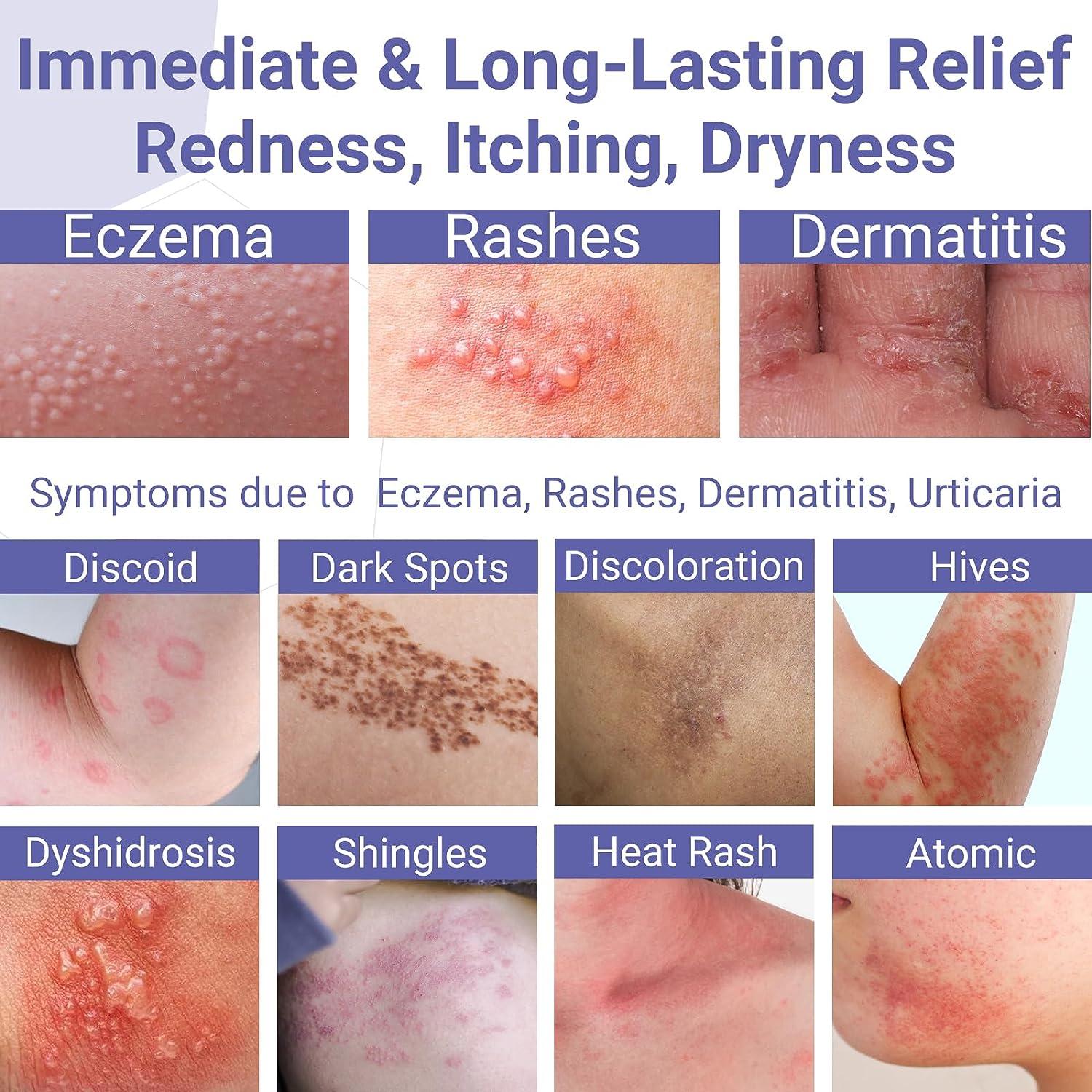
Eczema
एक्ज़िमा
Syllable: Eczema
Pronunciation: Eczema
- Eczema can cause dry and itchy skin. – एक्ज़िमा से त्वचा सूखी और खुजलीदार हो सकती है।
- She has eczema on her hands. – उसके हाथों पर एक्ज़िमा है।
- The doctor recommended treatment for eczema. – डॉक्टर ने एक्ज़िमा के लिए उपचार की सलाह दी।
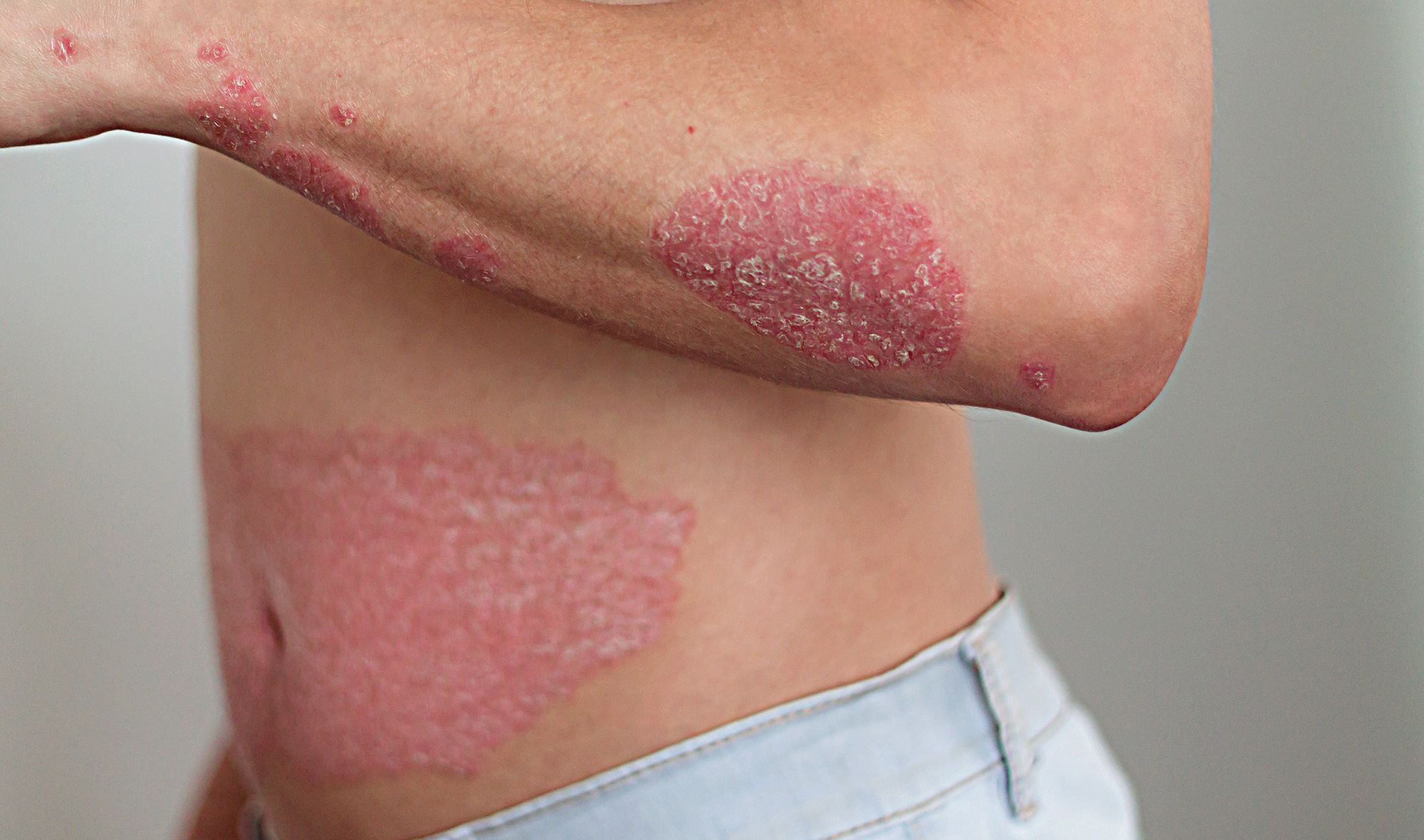
Psoriasis
सोरायसिस
Syllable: Psoriasis
Pronunciation: Soriasis
- Psoriasis affects the skin. – सोरायसिस त्वचा को प्रभावित करता है।
- He receives treatment for psoriasis. – वह सोरायसिस का उपचार ले रहा है।
- Psoriasis can cause scaly patches. – सोरायसिस से त्वचा पर पपड़ीदार चकत्ते हो सकते हैं।
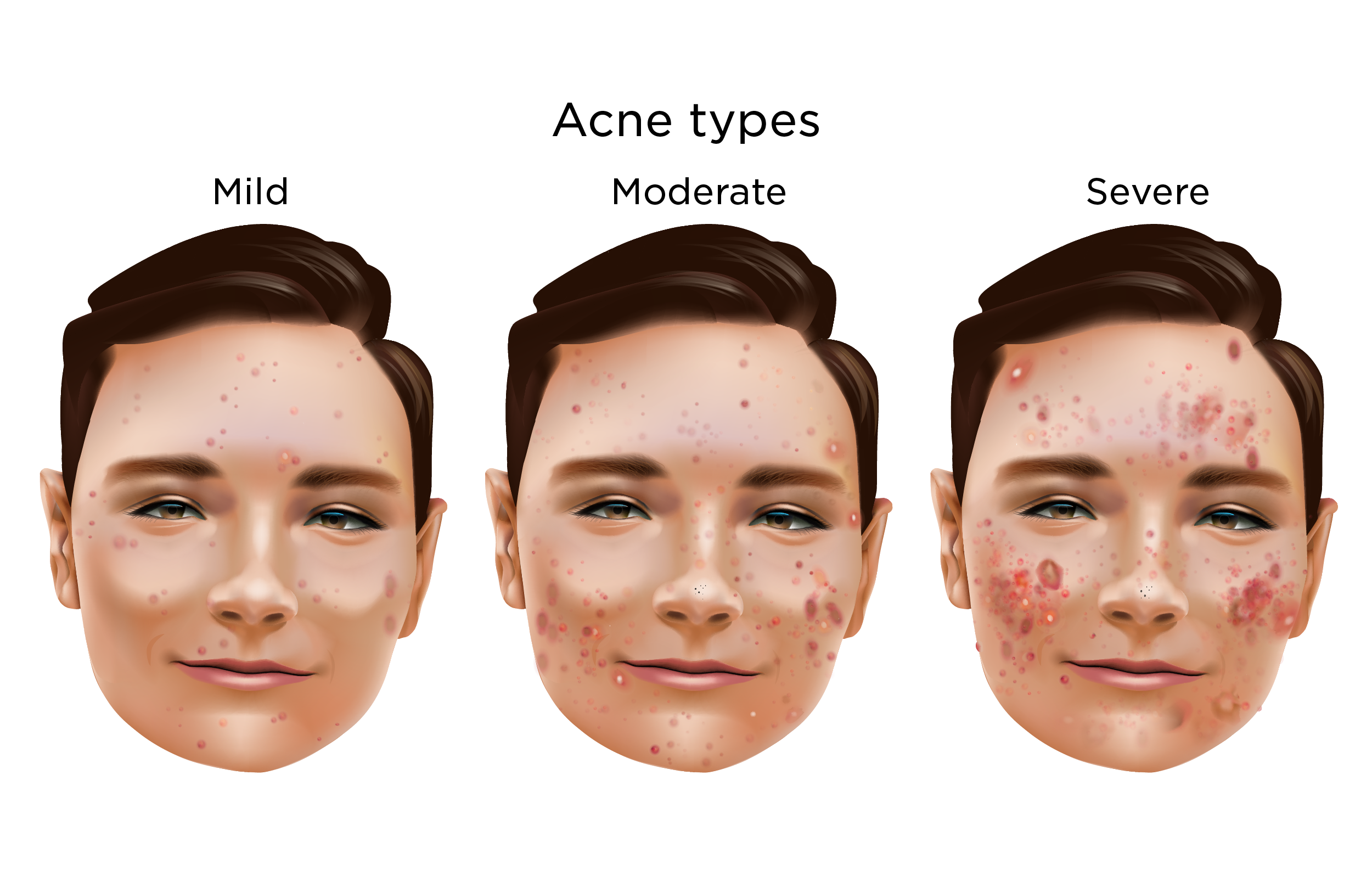
Acne
मुहाँसे
Syllable: Acne
Pronunciation: Muhaanse
- Acne is common among teenagers. – किशोरों में मुहाँसे आम हैं।
- She has acne on her face. – उसके चेहरे पर मुहाँसे हैं।
- He uses prescribed treatment for acne. – वह मुहाँसों के लिए डॉक्टर द्वारा निर्धारित उपचार का उपयोग करता है।
:max_bytes(150000):strip_icc()/jointpainfinal-01-5c632f5246e0fb0001f0901b.png)
Arthritis
गठिया
Syllable: Arthritis
Pronunciation: Gathiya
- Arthritis can cause joint pain. – गठिया से जोड़ों में दर्द हो सकता है।
- She has arthritis in her knees. – उसे घुटनों में गठिया है।
- Regular medical care can help manage arthritis. – नियमित चिकित्सकीय देखभाल गठिया को नियंत्रित करने में मदद कर सकती है।
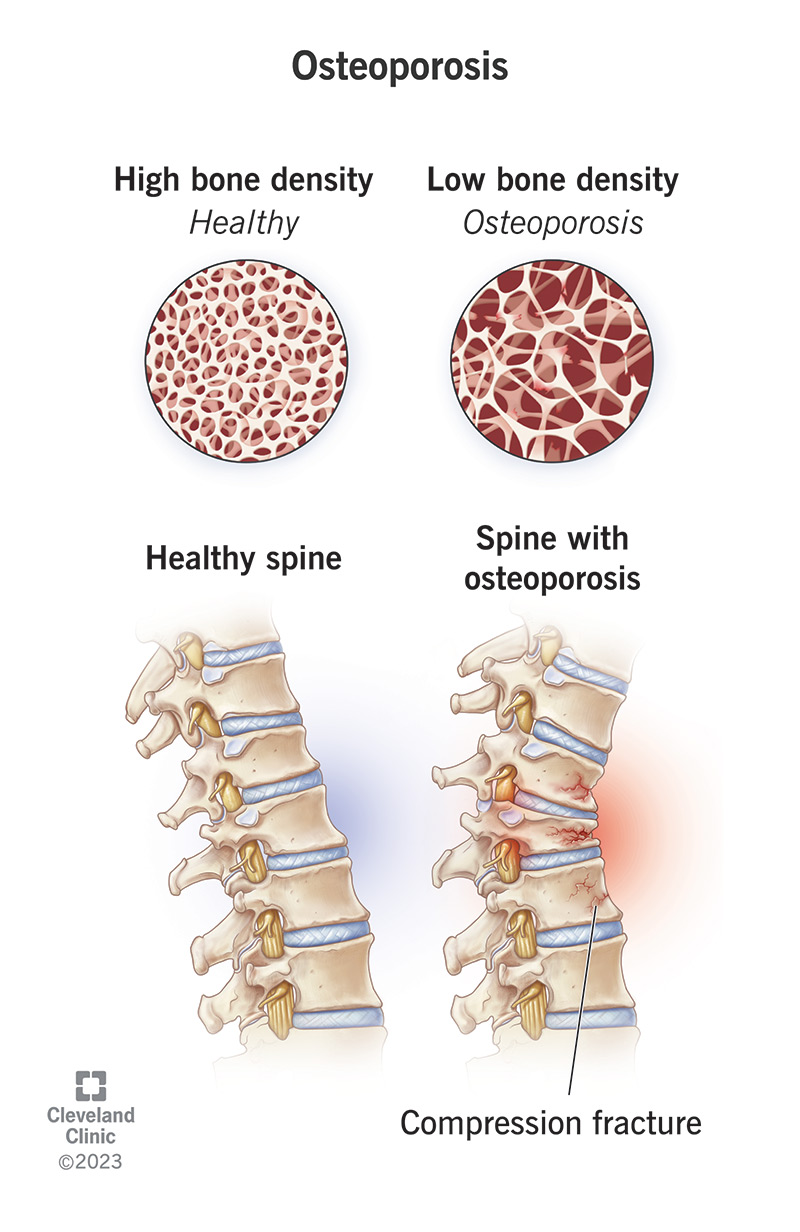
Osteoporosis
ऑस्टियोपोरोसिस
Syllable: Osteoporosis
Pronunciation: Osteoporosis
- Osteoporosis weakens bones. – ऑस्टियोपोरोसिस हड्डियों को कमजोर करता है।
- Older adults can develop osteoporosis. – वृद्ध लोगों में ऑस्टियोपोरोसिस हो सकता है।
- Doctors can test for osteoporosis. – डॉक्टर ऑस्टियोपोरोसिस की जाँच कर सकते हैं।
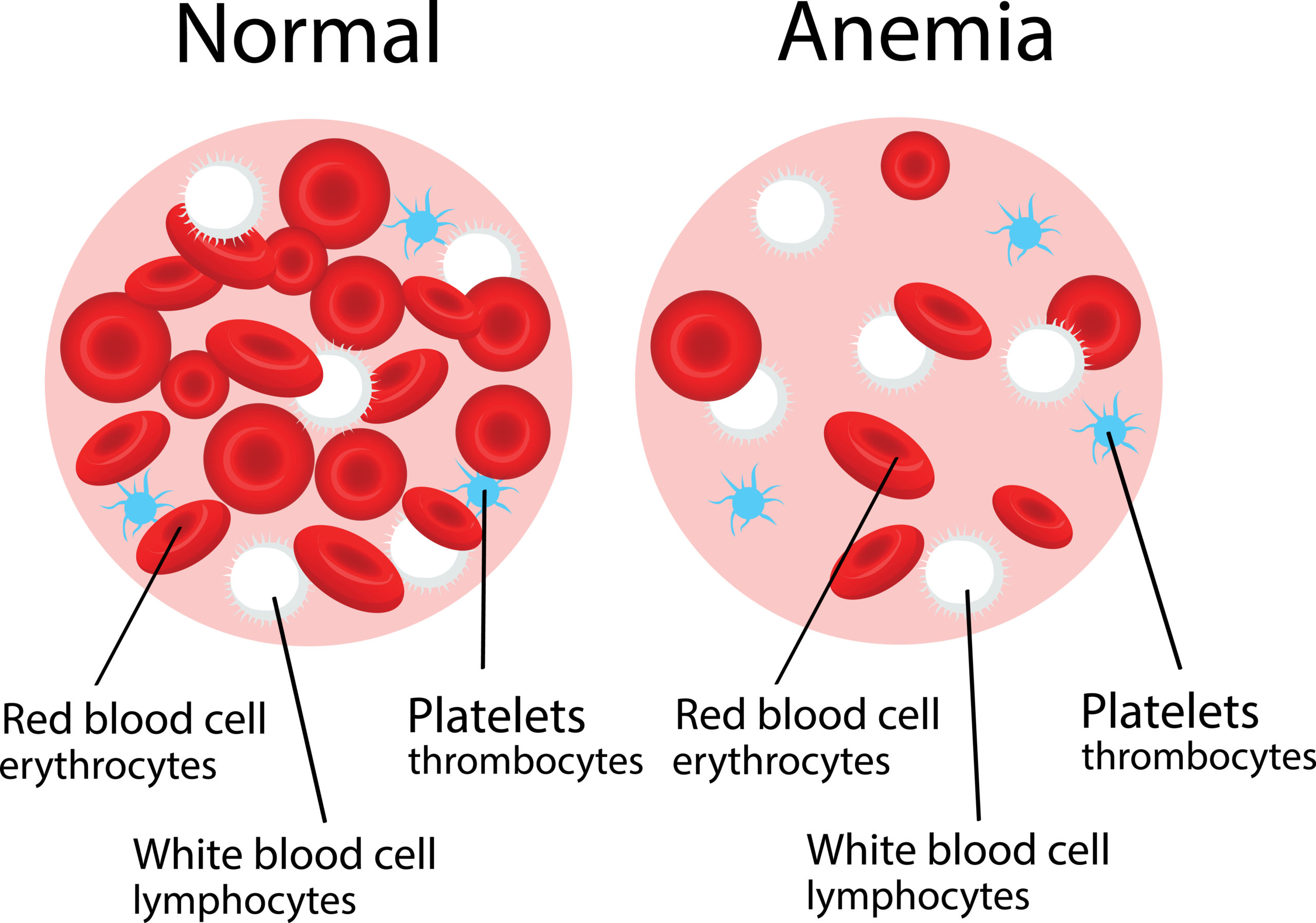
Anemia
रक्ताल्पता
Syllable: Anemia
Pronunciation: Raktalpata
- Anemia can cause tiredness. – रक्ताल्पता से थकान हो सकती है।
- She was diagnosed with anemia. – उसमें रक्ताल्पता का निदान हुआ।
- The doctor recommended treatment for anemia. – डॉक्टर ने रक्ताल्पता के लिए उपचार की सलाह दी।

Kidney Disease
गुर्दे की बीमारी
Syllable: Kidney Disease
Pronunciation: Gurde Ki Bimari
- Kidney disease can affect kidney function. – गुर्दे की बीमारी गुर्दे के कार्य को प्रभावित कर सकती है।
- He receives medical care for kidney disease. – वह गुर्दे की बीमारी के लिए चिकित्सकीय देखभाल लेता है।
- Regular checkups can monitor kidney health. – नियमित जाँच से गुर्दों के स्वास्थ्य की निगरानी की जा सकती है।

Liver Disease
यकृत रोग
Syllable: Liver Disease
Pronunciation: Yakrit Rog
- Liver disease can affect liver function. – यकृत रोग यकृत के कार्य को प्रभावित कर सकता है।
- He is receiving treatment for liver disease. – वह यकृत रोग का उपचार ले रहा है।
- Doctors monitor his liver health. – डॉक्टर उसके यकृत के स्वास्थ्य की निगरानी करते हैं।
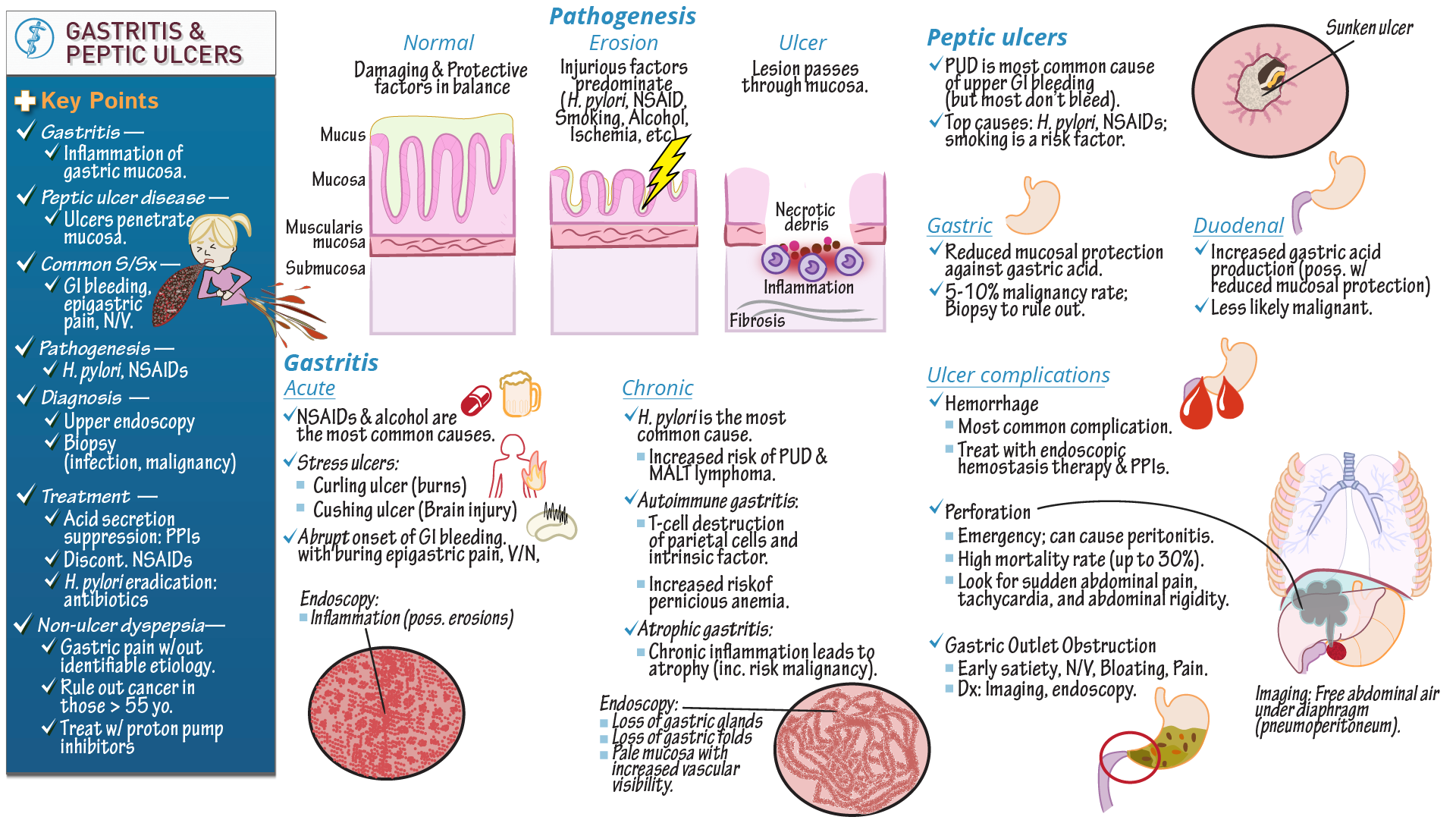
Gastritis
जठरशोथ
Syllable: Gastritis
Pronunciation: Jatharshoth
- Gastritis can cause stomach discomfort. – जठरशोथ से पेट में असहजता हो सकती है।
- He was diagnosed with gastritis. – उसमें जठरशोथ का निदान हुआ।
- The doctor recommended treatment for gastritis. – डॉक्टर ने जठरशोथ के लिए उपचार की सलाह दी।
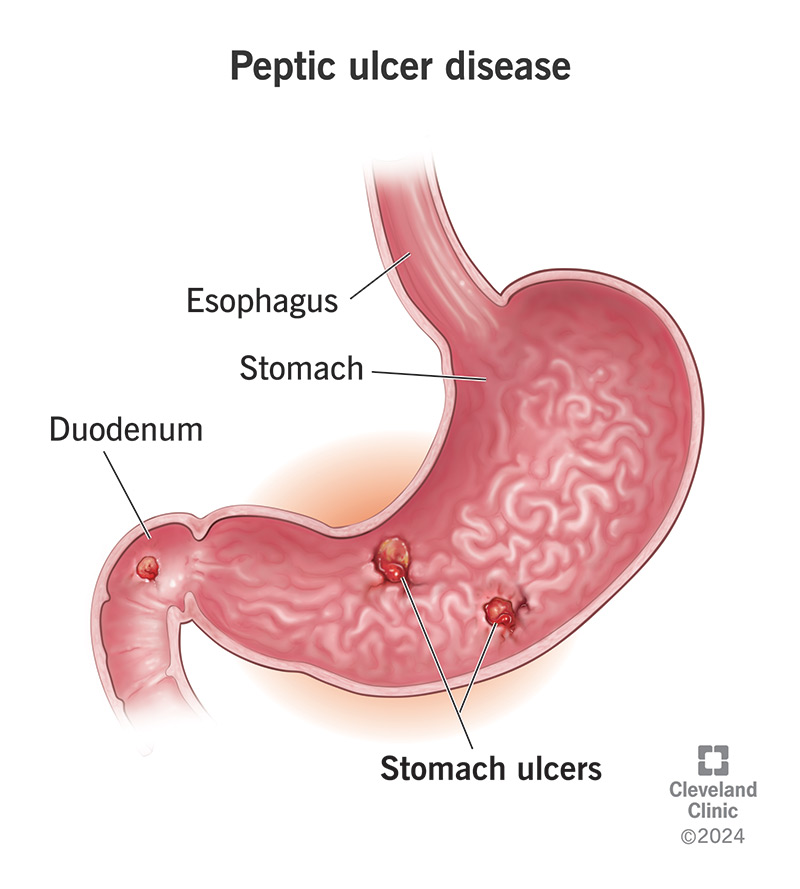
Ulcer
अल्सर
Syllable: Ulcer
Pronunciation: Ulcer
- He has a stomach ulcer. – उसे पेट में अल्सर है।
- An ulcer can cause pain. – अल्सर से दर्द हो सकता है।
- He is receiving treatment for the ulcer. – वह अल्सर का उपचार ले रहा है।
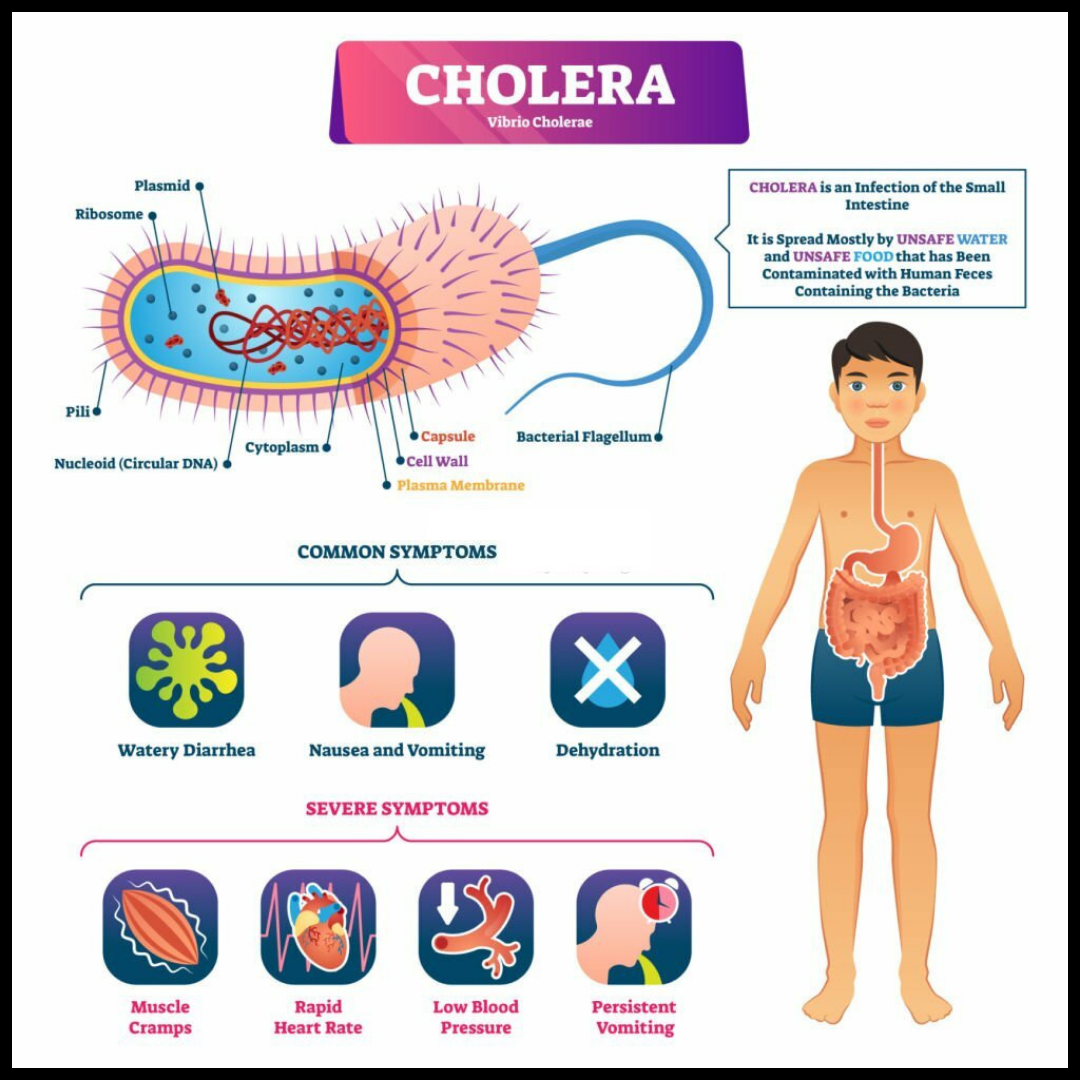
Cholera
हैजा
Syllable: Cholera
Pronunciation: Haija
- Cholera is an infectious disease. – हैजा एक संक्रामक रोग है।
- Cholera can cause severe diarrhea. – हैजा से गंभीर दस्त हो सकते हैं।
- Prompt medical treatment is important. – तुरंत चिकित्सकीय उपचार महत्वपूर्ण है।

Typhoid
टाइफ़ाइड
Syllable: Typhoid
Pronunciation: Typhoid
- Typhoid is an infectious disease. – टाइफ़ाइड एक संक्रामक रोग है।
- He was diagnosed with typhoid. – उसमें टाइफ़ाइड का निदान हुआ।
- He is receiving treatment for typhoid. – वह टाइफ़ाइड का उपचार ले रहा है।
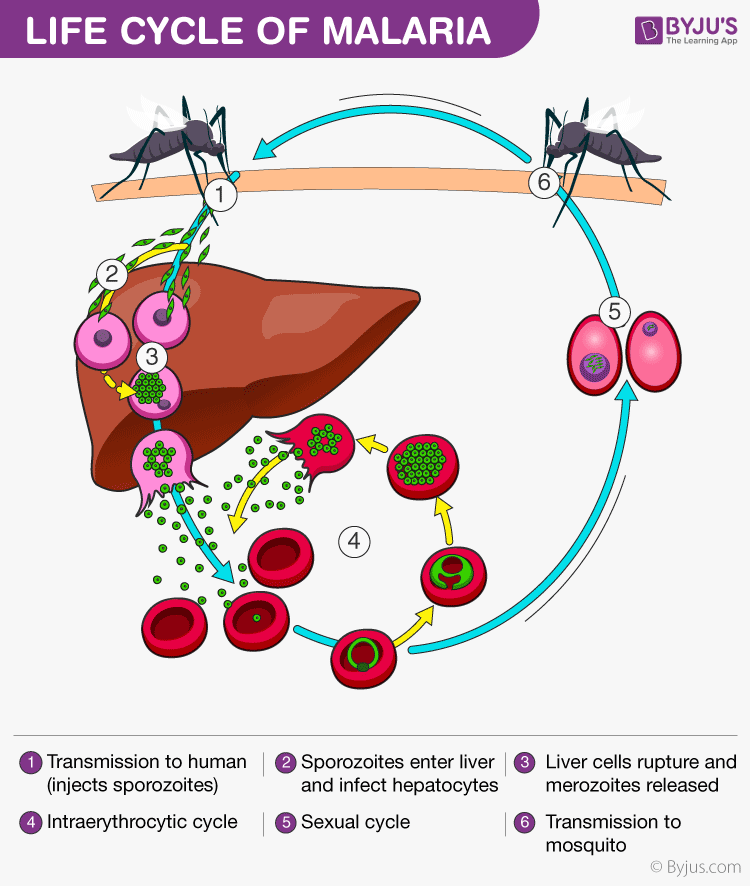
Malaria
मलेरिया
Syllable: Malaria
Pronunciation: Malaria
- Malaria is transmitted by infected mosquitoes. – मलेरिया संक्रमित मच्छरों के माध्यम से फैलता है।
- He has malaria. – उसे मलेरिया है।
- He is receiving treatment for malaria. – वह मलेरिया का उपचार ले रहा है।

Dengue
डेंगू
Syllable: Dengue
Pronunciation: Dengue
- Dengue is transmitted by infected mosquitoes. – डेंगू संक्रमित मच्छरों के माध्यम से फैलता है।
- She was diagnosed with dengue. – उसमें डेंगू का निदान हुआ।
- She is recovering from dengue. – वह डेंगू से ठीक हो रही है।

Chickenpox
चिकनपॉक्स
Syllable: Chickenpox
Pronunciation: Chickenpox
- Chickenpox can cause an itchy rash. – चिकनपॉक्स से खुजली वाले दाने हो सकते हैं।
- The child has chickenpox. – बच्चे को चिकनपॉक्स है।
- He stayed home while recovering. – ठीक होने के दौरान वह घर पर रहा।

Measles
खसरा
Syllable: Measles
Pronunciation: Khasra
- Measles is a contagious disease. – खसरा एक संक्रामक रोग है।
- The child was diagnosed with measles. – बच्चे में खसरे का निदान हुआ।
- Vaccination can help prevent measles. – टीकाकरण खसरे से बचाव में मदद कर सकता है।
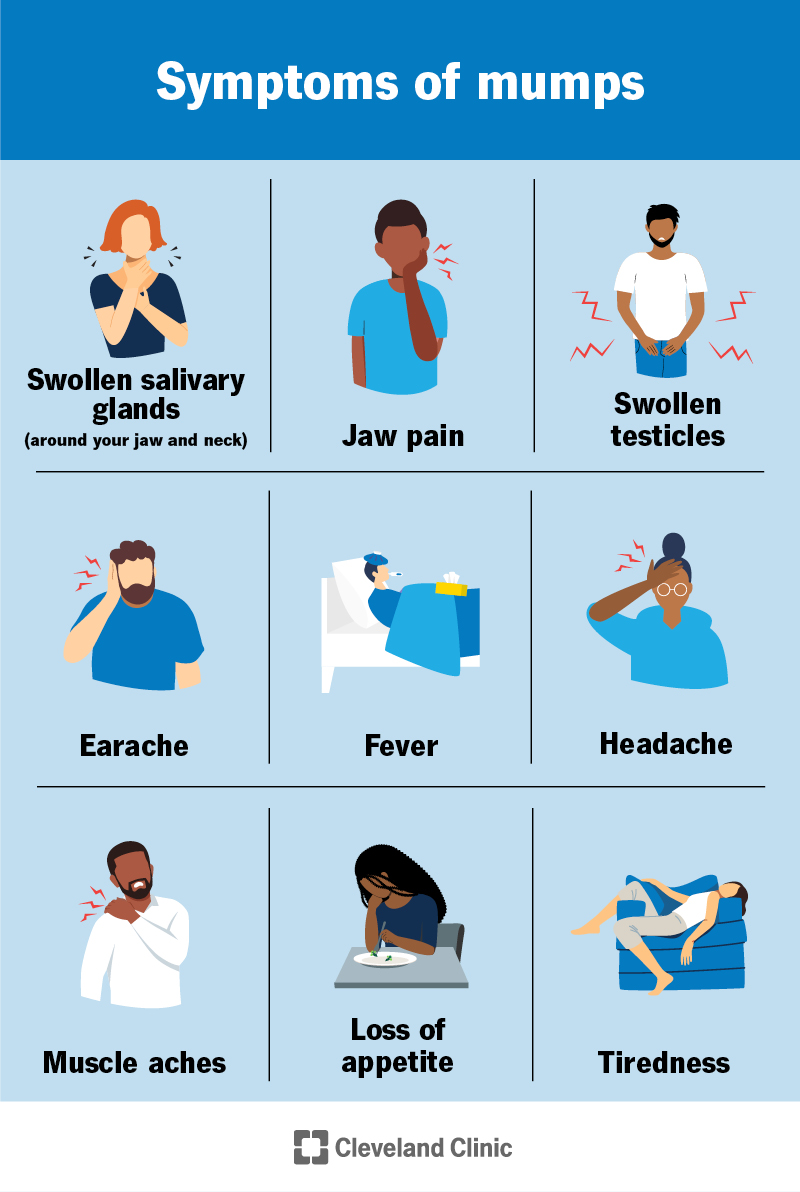
Mumps
गलसुआ
Syllable: Mumps
Pronunciation: Galsua
- Mumps can cause swelling near the cheeks. – गलसुए से गालों के पास सूजन हो सकती है।
- The child has mumps. – बच्चे को गलसुआ है।
- The doctor examined the swelling. – डॉक्टर ने सूजन की जाँच की।

Whooping Cough
काली खाँसी
Syllable: Whooping Cough
Pronunciation: Kaali Khaansi
- Whooping cough causes severe coughing. – काली खाँसी से तेज़ खाँसी हो सकती है।
- The child was diagnosed with whooping cough. – बच्चे में काली खाँसी का निदान हुआ।
- Vaccination can help prevent whooping cough. – टीकाकरण काली खाँसी से बचाव में मदद कर सकता है।
Common Diseases Names in Hindi
Some common disease and illness names include बुखार, सर्दी, खाँसी, फ्लू, गले का संक्रमण, पेट का संक्रमण, मलेरिया, डेंगू, चिकनपॉक्स, खसरा, दमा, मधुमेह, निमोनिया, और क्षय रोग.
These terms are useful when learning basic Hindi vocabulary related to illness, health, symptoms, and medical care.
Some of these terms refer to specific diseases, while others, such as बुखार and खाँसी, describe symptoms rather than a single disease.
Popular Diseases Names in Hindi
बुखार (Fever) refers to an elevated body temperature and can occur with many different illnesses and infections.
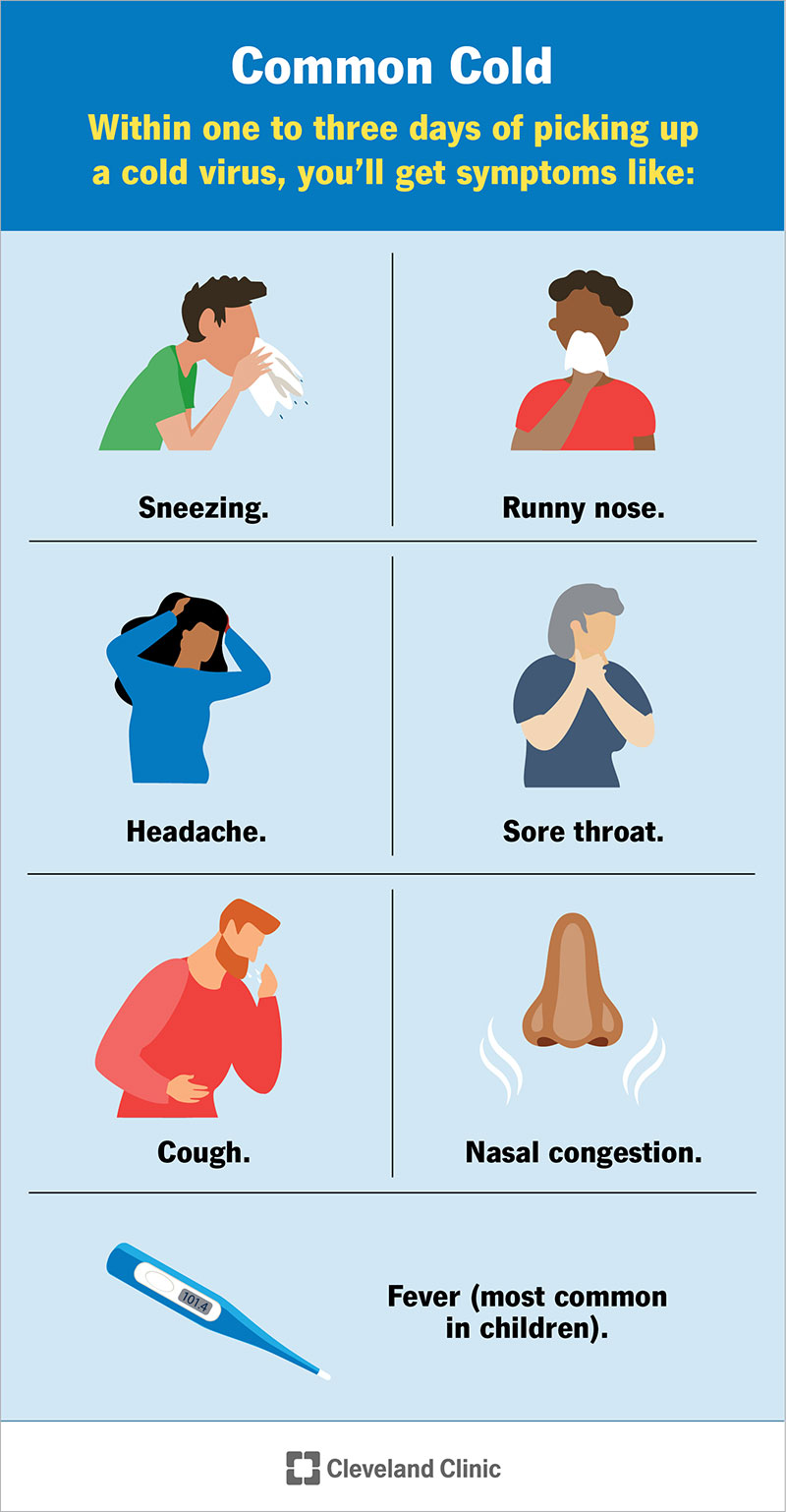
सर्दी (Common Cold) is a common respiratory illness that can cause symptoms such as a runny or blocked nose, sneezing, and sore throat.
खाँसी (Cough) is a symptom rather than one specific disease. It can occur for many different reasons.
फ्लू (Flu) is a respiratory illness caused by influenza viruses. It can cause fever, cough, tiredness, and other symptoms.
मलेरिया (Malaria) is an infectious disease caused by parasites transmitted through the bites of infected mosquitoes.
डेंगू (Dengue) is a viral infection transmitted mainly by infected mosquitoes.
दमा (Asthma) is a condition that affects the airways and can cause breathing difficulties, wheezing, coughing, or chest tightness.
मधुमेह (Diabetes) is a chronic condition involving high blood glucose levels and requires appropriate medical management.
निमोनिया (Pneumonia) is an infection or inflammation affecting the lungs and can cause symptoms such as cough, fever, and difficulty breathing.
क्षय रोग (Tuberculosis) is an infectious disease caused by bacteria and most commonly affects the lungs.
Infectious Diseases Names in Hindi
Infectious diseases are illnesses caused by infectious agents such as viruses, bacteria, parasites, or fungi.
Common infectious disease names include फ्लू, मलेरिया, डेंगू, क्षय रोग, खसरा, चिकनपॉक्स, हैजा, टाइफाइड, और हेपेटाइटिस.
Some infectious diseases can spread from person to person, while others may be transmitted through contaminated food or water, insects, animals, or other routes.
Learning these names helps students understand basic Hindi vocabulary related to infection, prevention, hygiene, and public health.
Viral Diseases Names in Hindi
Viruses can cause many different diseases and infections.
Common viral disease names include फ्लू, डेंगू, खसरा, चिकनपॉक्स, हेपेटाइटिस, पोलियो, और वायरल बुखार.
फ्लू is caused by influenza viruses, while डेंगू is caused by dengue viruses and transmitted by infected mosquitoes.
खसरा is a highly contagious viral disease, while चिकनपॉक्स is another viral infection commonly associated with an itchy rash.
The exact cause and treatment of an illness should be determined by a qualified healthcare professional.
Bacterial Diseases Names in Hindi
Bacteria can cause different types of infections and diseases.
Common bacterial disease names include क्षय रोग, टाइफाइड, हैजा, निमोनिया, और काली खाँसी.
क्षय रोग is commonly known as tuberculosis and can affect the lungs.
टाइफाइड is a bacterial infection associated with Salmonella Typhi.
हैजा is an intestinal infection that can cause severe diarrhea and dehydration.
Different bacterial diseases require different medical evaluation and treatment, so disease names should not be used as a substitute for diagnosis.
Respiratory Diseases Names in Hindi
Respiratory diseases and conditions affect the respiratory system, including the airways and lungs.
Common respiratory terms include सर्दी, फ्लू, दमा, निमोनिया, ब्रोंकाइटिस, और क्षय रोग.
दमा can cause wheezing, coughing, and breathing difficulties.
ब्रोंकाइटिस involves inflammation of the bronchial tubes and may cause coughing.
निमोनिया affects the lungs and may cause cough, fever, and breathing difficulties.
These words are useful when learning Hindi vocabulary related to breathing and respiratory health.
Digestive Diseases Names in Hindi
The digestive system includes the mouth, stomach, intestines, liver, and other organs involved in digestion.
Common digestive disease and condition names include हैजा, टाइफाइड, दस्त, गैस्ट्राइटिस, अपच, और पेट का संक्रमण.
दस्त means diarrhea and is generally considered a symptom or condition rather than one specific disease.
अपच means indigestion and describes discomfort related to digestion.
गैस्ट्राइटिस refers to inflammation of the stomach lining.
Digestive symptoms can have many causes, so persistent or severe symptoms require appropriate medical attention.
Skin Diseases Names in Hindi
The skin can be affected by various infections, inflammatory conditions, and other disorders.
Common skin-related disease names include दाद, खुजली, एक्जिमा, सोरायसिस, मुहाँसे, और फंगल संक्रमण.
दाद commonly refers to ringworm, a fungal skin infection.
एक्जिमा is a group of conditions that can cause dry, itchy, and inflamed skin.
सोरायसिस is a chronic inflammatory skin condition that can cause thick, scaly patches.
मुहाँसे refers to acne, a common skin condition involving pimples and other skin changes.
Childhood Diseases Names in Hindi
Children can experience many different illnesses, including common infections and childhood diseases.
Useful vocabulary includes खसरा, चिकनपॉक्स, काली खाँसी, पोलियो, गलसुआ, और स्कार्लेट फीवर.
Some childhood diseases can be prevented or reduced through vaccination and appropriate public health measures.
Parents and caregivers should consult qualified healthcare professionals for vaccination advice, diagnosis, and treatment.
Diseases Related to the Heart and Blood Vessels
The cardiovascular system includes the heart and blood vessels.
Common health-related terms include हृदय रोग, उच्च रक्तचाप, हृदयाघात, और स्ट्रोक.
हृदय रोग is a broad term for conditions affecting the heart.
उच्च रक्तचाप means high blood pressure.
हृदयाघात means heart attack, while स्ट्रोक refers to a medical emergency involving interrupted blood flow to part of the brain or bleeding in the brain.
These are serious medical conditions and require professional medical evaluation and care.
Diseases Related to the Nervous System
The nervous system includes the brain, spinal cord, and nerves.
Common neurological disease and condition names include मिर्गी, माइग्रेन, पार्किंसन रोग, अल्जाइमर रोग, और स्ट्रोक.
मिर्गी is a neurological disorder characterized by a tendency to have recurrent seizures.
माइग्रेन is a neurological condition that can cause recurring headaches and other symptoms.
पार्किंसन रोग and अल्जाइमर रोग are neurological conditions that mainly affect older adults, although their causes and characteristics differ.
Diseases Related to the Bones and Joints
Bones, muscles, and joints can be affected by different diseases and conditions.
Common terms include गठिया, ऑस्टियोपोरोसिस, रिकेट्स, और ऑस्टियोआर्थराइटिस.
गठिया is commonly used for arthritis and related joint conditions.
ऑस्टियोपोरोसिस is a condition in which bones become weaker and more likely to fracture.
रिकेट्स is a condition affecting growing bones, often associated with vitamin D deficiency or other nutritional and metabolic factors.
These terms are useful for learning Hindi vocabulary related to bones, joints, movement, and physical health.
Diseases Related to the Eyes
The eyes can be affected by several diseases and conditions.
Common eye-related terms include मोतियाबिंद, ग्लूकोमा, नेत्रश्लेष्मलाशोथ, और दृष्टिदोष.
मोतियाबिंद means cataract, while ग्लूकोमा refers to a group of eye conditions that can damage the optic nerve.
नेत्रश्लेष्मलाशोथ means conjunctivitis.
दृष्टिदोष is a broad term related to problems with vision.
Eye problems can have different causes, so persistent changes in vision should be evaluated by an eye-care professional.
Diseases and Their Common Symptoms
Different diseases can cause different symptoms, and the same symptom can occur in several different conditions.
For example, बुखार means fever, खाँसी means cough, सिरदर्द means headache, गले में खराश means sore throat, उल्टी means vomiting, and दस्त means diarrhea.
Other common symptom-related words include थकान for fatigue, दर्द for pain, चक्कर for dizziness, सांस लेने में कठिनाई for difficulty breathing, and सूजन for swelling.
Symptoms alone cannot reliably identify a specific disease. A healthcare professional may need to consider medical history, examination, and appropriate tests.
Difference Between Diseases and Symptoms
A disease is a specific health condition or disorder, while a symptom is a change or problem experienced by a person.
For example, मधुमेह is a disease, while increased thirst can be a symptom associated with it.
Similarly, निमोनिया is a disease, while खाँसी and बुखार may be symptoms that can occur with pneumonia.
Understanding this difference helps Hindi learners use health-related vocabulary more accurately.
Why Learning With Pictures Is Helpful
Learning diseases names with pictures can make health-related vocabulary easier to remember. Learners can connect a Hindi term with a simple educational illustration or health concept.
For example, an educational picture showing the respiratory system can help learners understand vocabulary related to दमा, ब्रोंकाइटिस, निमोनिया, and other respiratory conditions.
Pictures are especially useful for students and beginners. Teachers can use simple, non-graphic illustrations for worksheets, flashcards, classroom activities, and Hindi vocabulary lessons.
For medical topics, educational diagrams are preferable to graphic images, particularly when the material is designed for children.
Practice Activities
Practice disease names by reading the Hindi term and trying to remember its English meaning before checking the explanation. This can improve vocabulary recognition and recall.
Choose several health-related words each day and write their Hindi names in a notebook. Next to each word, write its English meaning and identify whether it refers to a disease, condition, or symptom.
You can also group vocabulary according to broad topics such as respiratory diseases, digestive conditions, skin diseases, infectious diseases, and childhood illnesses. This makes it easier to organize and remember new words.
Another useful activity is to create picture flashcards using simple educational illustrations. Put the Hindi disease name on one side and the English meaning on the other side. Review the cards regularly to strengthen your vocabulary.
Hindi Diseases Name
| # | English Disease Name | Hindi Disease Name |
|---|---|---|
| 1 | Fever | बुखार |
| 2 | Common Cold | सर्दी-जुकाम |
| 3 | Cough | खाँसी |
| 4 | Flu | फ़्लू |
| 5 | Asthma | दमा |
| 6 | Diabetes | मधुमेह |
| 7 | Hypertension | उच्च रक्तचाप |
| 8 | Heart Disease | हृदय रोग |
| 9 | Heart Attack | दिल का दौरा |
| 10 | Stroke | आघात |
| 11 | Cancer | कैंसर |
| 12 | Tuberculosis | तपेदिक |
| 13 | Pneumonia | निमोनिया |
| 14 | Bronchitis | ब्रोंकाइटिस |
| 15 | Sinusitis | साइनसाइटिस |
| 16 | Migraine | माइग्रेन |
| 17 | Headache | सिरदर्द |
| 18 | Stomachache | पेट दर्द |
| 19 | Diarrhea | दस्त |
| 20 | Constipation | कब्ज़ |
| 21 | Food Poisoning | खाद्य विषाक्तता |
| 22 | Food Allergy | खाद्य एलर्जी |
| 23 | Skin Allergy | त्वचा की एलर्जी |
| 24 | Eczema | एक्ज़िमा |
| 25 | Psoriasis | सोरायसिस |
| 26 | Acne | मुहाँसे |
| 27 | Arthritis | गठिया |
| 28 | Osteoporosis | ऑस्टियोपोरोसिस |
| 29 | Anemia | रक्ताल्पता |
| 30 | Kidney Disease | गुर्दे की बीमारी |
| 31 | Liver Disease | यकृत रोग |
| 32 | Gastritis | जठरशोथ |
| 33 | Ulcer | अल्सर |
| 34 | Cholera | हैजा |
| 35 | Typhoid | टाइफ़ाइड |
| 36 | Malaria | मलेरिया |
| 37 | Dengue | डेंगू |
| 38 | Chickenpox | चिकनपॉक्स |
| 39 | Measles | खसरा |
| 40 | Mumps | गलसुआ |
| 41 | Whooping Cough | काली खाँसी |
1. Which is the correct Hindi name for “Fever”?
2. Which is the correct Hindi name for “Common Cold”?
3. Which is the correct Hindi name for “Cough”?
4. Which is the correct Hindi name for “Flu”?
5. Which is the correct Hindi name for “Asthma”?
6. Which is the correct Hindi name for “Diabetes”?
7. Which is the correct Hindi name for “Hypertension”?
8. Which is the correct Hindi name for “Heart Disease”?
9. Which is the correct Hindi name for “Heart Attack”?
10. Which is the correct Hindi name for “Stroke”?
11. Which is the correct Hindi name for “Cancer”?
12. Which is the correct Hindi name for “Tuberculosis”?
13. Which is the correct Hindi name for “Pneumonia”?
14. Which is the correct Hindi name for “Bronchitis”?
15. Which is the correct Hindi name for “Sinusitis”?
16. Which is the correct Hindi name for “Migraine”?
17. Which is the correct Hindi name for “Headache”?
18. Which is the correct Hindi name for “Stomachache”?
19. Which is the correct Hindi name for “Diarrhea”?
20. Which is the correct Hindi name for “Constipation”?
21. Which is the correct Hindi name for “Food Poisoning”?
22. Which is the correct Hindi name for “Food Allergy”?
23. Which is the correct Hindi name for “Skin Allergy”?
24. Which is the correct Hindi name for “Eczema”?
25. Which is the correct Hindi name for “Psoriasis”?
26. Which is the correct Hindi name for “Acne”?
27. Which is the correct Hindi name for “Arthritis”?
28. Which is the correct Hindi name for “Osteoporosis”?
29. Which is the correct Hindi name for “Anemia”?
30. Which is the correct Hindi name for “Kidney Disease”?
31. Which is the correct Hindi name for “Liver Disease”?
32. Which is the correct Hindi name for “Gastritis”?
33. Which is the correct Hindi name for “Ulcer”?
34. Which is the correct Hindi name for “Cholera”?
35. Which is the correct Hindi name for “Typhoid”?
36. Which is the correct Hindi name for “Malaria”?
37. Which is the correct Hindi name for “Dengue”?
38. Which is the correct Hindi name for “Chickenpox”?
39. Which is the correct Hindi name for “Measles”?
40. Which is the correct Hindi name for “Mumps”?
41. Which is the correct Hindi name for “Whooping Cough”?
Why Hindi Diseases Names Matter
Disease vocabulary is an important part of practical Hindi because people often need to talk about health, illness, symptoms, hospitals, doctors, and medical care.
Words such as बुखार, सर्दी, खाँसी, फ्लू, मलेरिया, डेंगू, मधुमेह, दमा, और निमोनिया are useful for understanding basic health-related conversations.
Learning these words can also help students understand Hindi educational materials and communicate more clearly about general health topics.
However, vocabulary knowledge should not be confused with medical diagnosis. If someone has concerning, severe, or persistent symptoms, they should seek appropriate medical care.
By learning diseases names in Hindi with pictures, students can build useful health-related Hindi vocabulary and become more confident when understanding basic conversations about illness and health.
Continue Exploring Hindi Vocabulary
Learning disease vocabulary is another useful step toward improving everyday Hindi. After learning these words, you can continue exploring other useful Hindi vocabulary topics such as body parts names, medicine names, body-related vocabulary, food names, drinks names, animal names, school items, stationery items, household items, sports names, games names, and toys names.
Keep practicing the Hindi words regularly and use simple educational pictures whenever possible. Connecting each word with a clear meaning or familiar health concept can make Hindi vocabulary easier to remember and more useful in everyday communication.