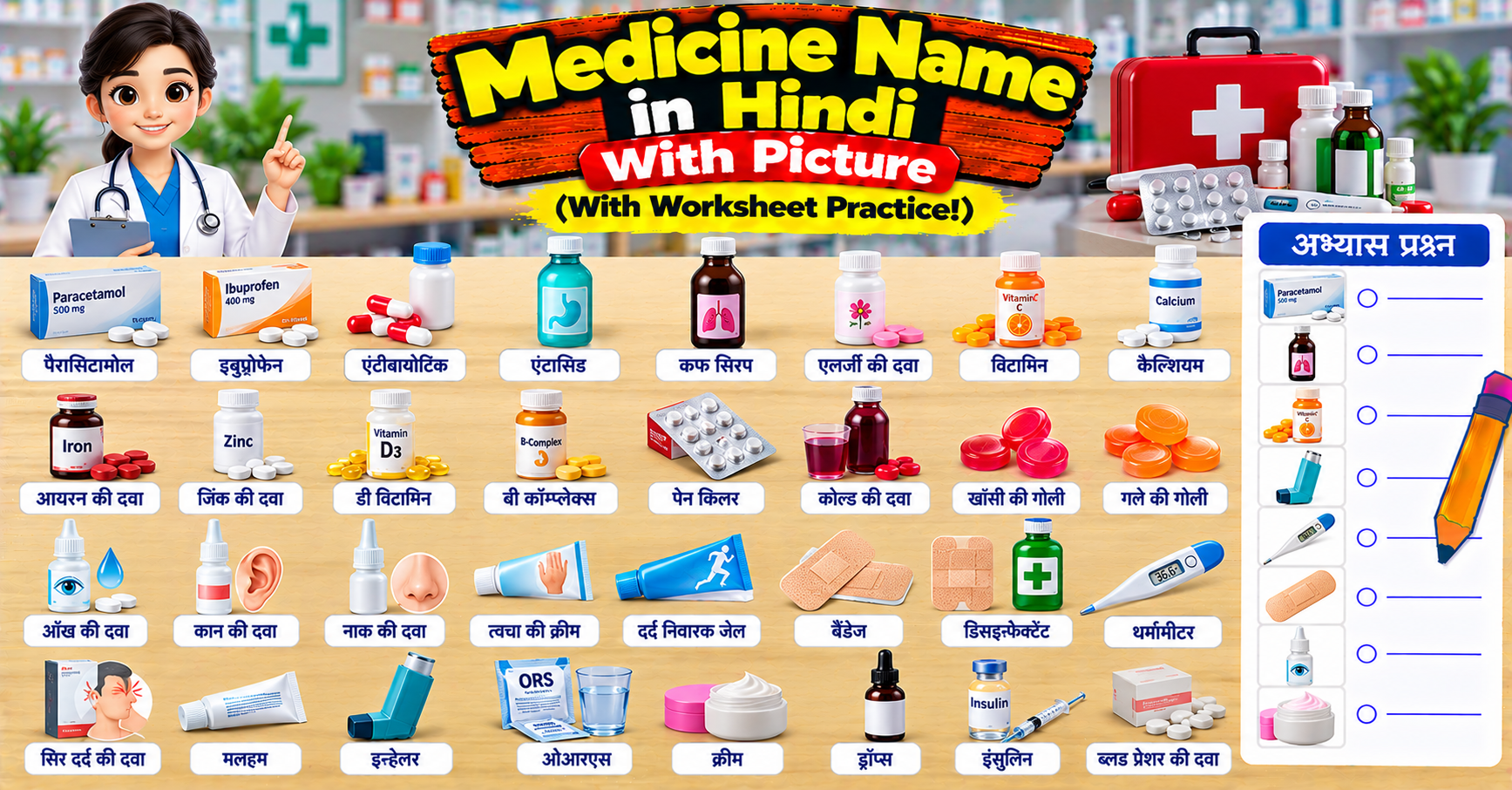
Medicines are an important part of health-related vocabulary. Learning medicine names in Hindi is useful for children, students, Hindi learners, and beginners who want to understand common conversations about health, illness, doctors, pharmacies, and medical care.
People use different types of medicines for different health conditions. Common medicine-related words include दवा, गोली, कैप्सूल, सिरप, क्रीम, मरहम, ड्रॉप्स, और इंजेक्शन. Some medicine names are also commonly used in Hindi through English or other medical terminology.
Learning medicine names with pictures can make Hindi vocabulary easier to recognize and remember. However, medicine vocabulary should not be confused with medical advice. Medicines should be used according to the instructions of a qualified healthcare professional or the product label.
Learn Medicine Names in Hindi
Medicine-related vocabulary is commonly used when people talk about illness, treatment, doctors, hospitals, pharmacies, and health care.
For example:
- दवा means Medicine.
- गोली means Tablet or Pill.
- कैप्सूल means Capsule.
- सिरप means Syrup.
- क्रीम means Cream.
- मरहम means Ointment.
- ड्रॉप्स means Drops.
- इंजेक्शन means Injection.
- पाउडर means Powder.
- स्प्रे means Spray.
Learning these words helps Hindi learners understand basic conversations about medicines and medical products.
Benefits of Learning Medicine Names
Learning medicine vocabulary helps students understand practical Hindi used in pharmacies, hospitals, clinics, and everyday health conversations.
This vocabulary is also useful when reading medicine labels, following basic instructions, or understanding general discussions about different forms of medicines.
Learning medicine-related words also introduces useful vocabulary such as डॉक्टर for doctor, नर्स for nurse, फार्मेसी for pharmacy, नुस्खा for prescription, खुराक for dose, इलाज for treatment, and लक्षण for symptoms.
However, learners should remember that knowing the name of a medicine does not mean that it is suitable for every person or every illness.
Medicine Names in Hindi With Pictures
Pictures can be a helpful way to learn medicine vocabulary because learners can recognize different forms of medicines visually.
Some common medicine forms include गोली, कैप्सूल, सिरप, क्रीम, मरहम, ड्रॉप्स, स्प्रे, पाउडर, और इंजेक्शन.
Medicine pictures can be used for classroom lessons, Hindi vocabulary worksheets, flashcards, and educational activities.
For health-related learning, simple educational illustrations or pictures of medicine packaging are generally more suitable than graphic medical images.

Medicine
दवा
Syllable: Medicine
Pronunciation: Dawa
- This medicine is prescribed by a doctor. – यह दवा डॉक्टर ने लिखी है।
- Take the medicine as directed. – निर्देश के अनुसार दवा लें।
- The medicine is kept in the cabinet. – दवा अलमारी में रखी है।

Tablet
गोली
Syllable: Tablet
Pronunciation: Goli
- The doctor prescribed a tablet. – डॉक्टर ने एक गोली लिखी है।
- Take the tablet with water. – गोली पानी के साथ लें।
- The tablet is small. – गोली छोटी है।

Capsule
कैप्सूल
Syllable: Capsule
Pronunciation: Capsule
- The doctor prescribed a capsule. – डॉक्टर ने एक कैप्सूल लिखी है।
- Take the capsule with water. – कैप्सूल पानी के साथ लें।
- The capsule is easy to swallow. – कैप्सूल निगलना आसान है।

Syrup
सिरप
Syllable: Syrup
Pronunciation: Syrup
- The doctor prescribed a cough syrup. – डॉक्टर ने खाँसी का सिरप लिखा है।
- Take the syrup with a measuring spoon. – सिरप मापने वाले चम्मच से लें।
- The syrup is stored properly. – सिरप को सही तरीके से रखा गया है।
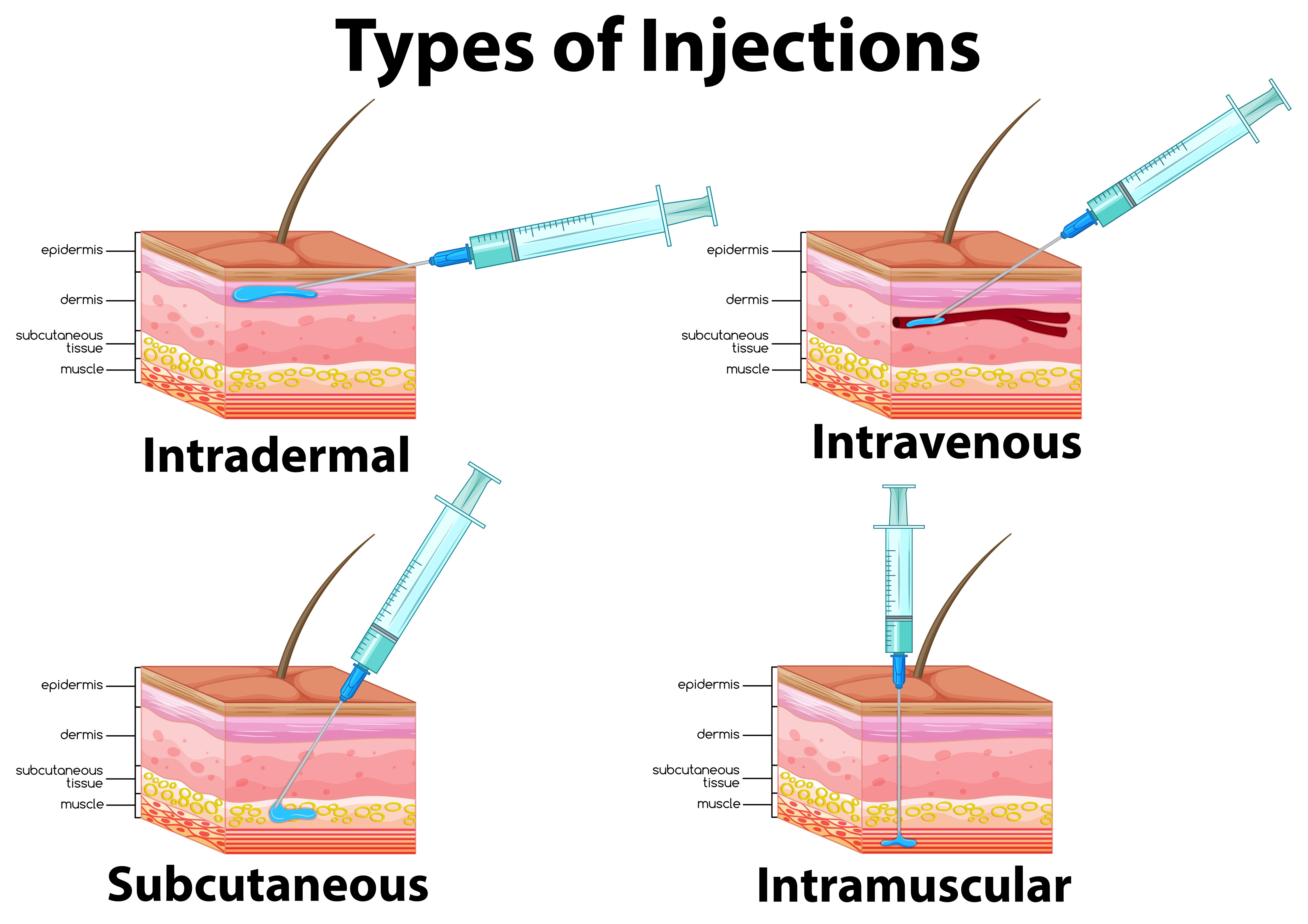
Injection
इंजेक्शन
Syllable: Injection
Pronunciation: Injection
- The doctor gave him an injection. – डॉक्टर ने उसे इंजेक्शन दिया।
- The injection was given at the clinic. – इंजेक्शन क्लिनिक में दिया गया।
- The nurse prepared the injection. – नर्स ने इंजेक्शन तैयार किया।

Ointment
मरहम
Syllable: Ointment
Pronunciation: Marham
- The doctor prescribed an ointment. – डॉक्टर ने मरहम लिखा है।
- Apply the ointment as directed. – निर्देश के अनुसार मरहम लगाएँ।
- The ointment is for external use. – मरहम बाहरी उपयोग के लिए है।
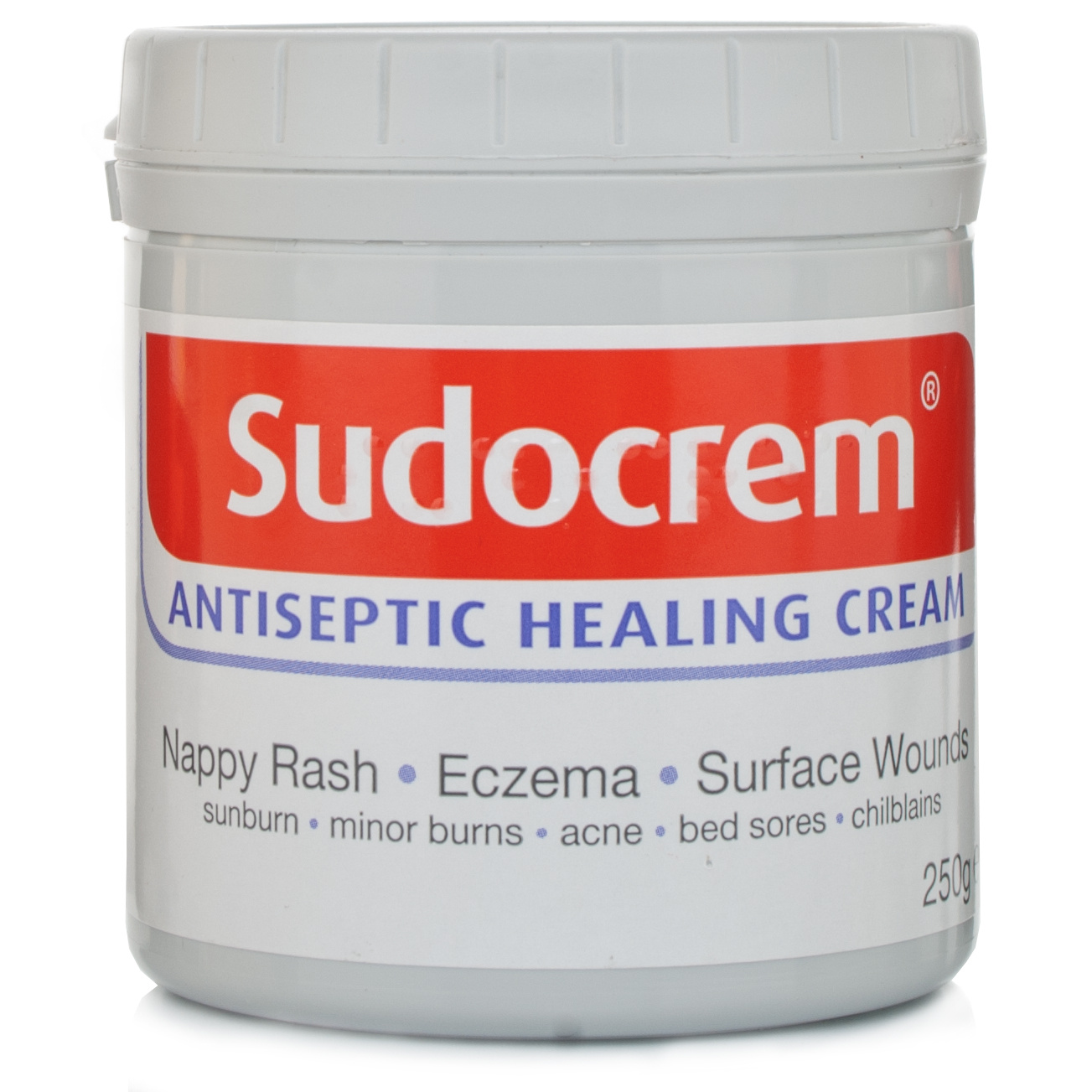
Cream
क्रीम
Syllable: Cream
Pronunciation: Cream
- The doctor prescribed a skin cream. – डॉक्टर ने त्वचा की क्रीम लिखी है।
- Apply the cream as directed. – निर्देश के अनुसार क्रीम लगाएँ।
- The cream is for external use. – क्रीम बाहरी उपयोग के लिए है।

Lotion
लोशन
Syllable: Lotion
Pronunciation: Lotion
- The doctor recommended a lotion. – डॉक्टर ने लोशन की सलाह दी।
- Apply the lotion to the skin. – त्वचा पर लोशन लगाएँ।
- The lotion should be used as directed. – लोशन का उपयोग निर्देश के अनुसार करना चाहिए।
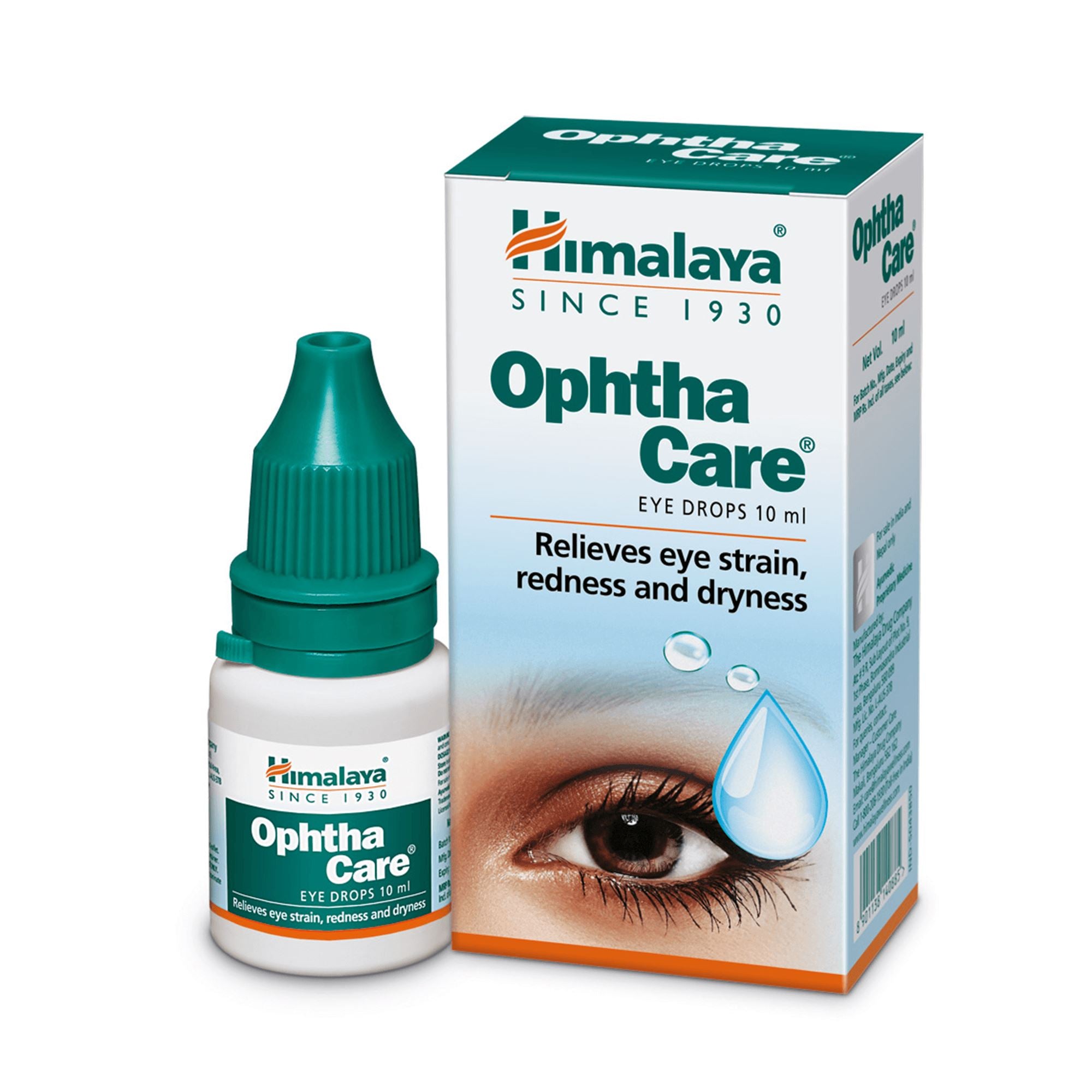
Eye Drops
आँखों की बूँदें
Syllable: Eye Drops
Pronunciation: Aankhon Ki Boondein
- The doctor prescribed eye drops. – डॉक्टर ने आँखों की बूँदें लिखी हैं।
- Use the eye drops as directed. – आँखों की बूँदों का उपयोग निर्देश के अनुसार करें।
- Keep the eye drops clean. – आँखों की बूँदों को साफ़ रखें।

Ear Drops
कान की बूँदें
Syllable: Ear Drops
Pronunciation: Kaan Ki Boondein
- The doctor prescribed ear drops. – डॉक्टर ने कान की बूँदें लिखी हैं।
- Use the ear drops as directed. – कान की बूँदों का उपयोग निर्देश के अनुसार करें।
- Keep the ear drops closed. – कान की बूँदों को बंद रखें।
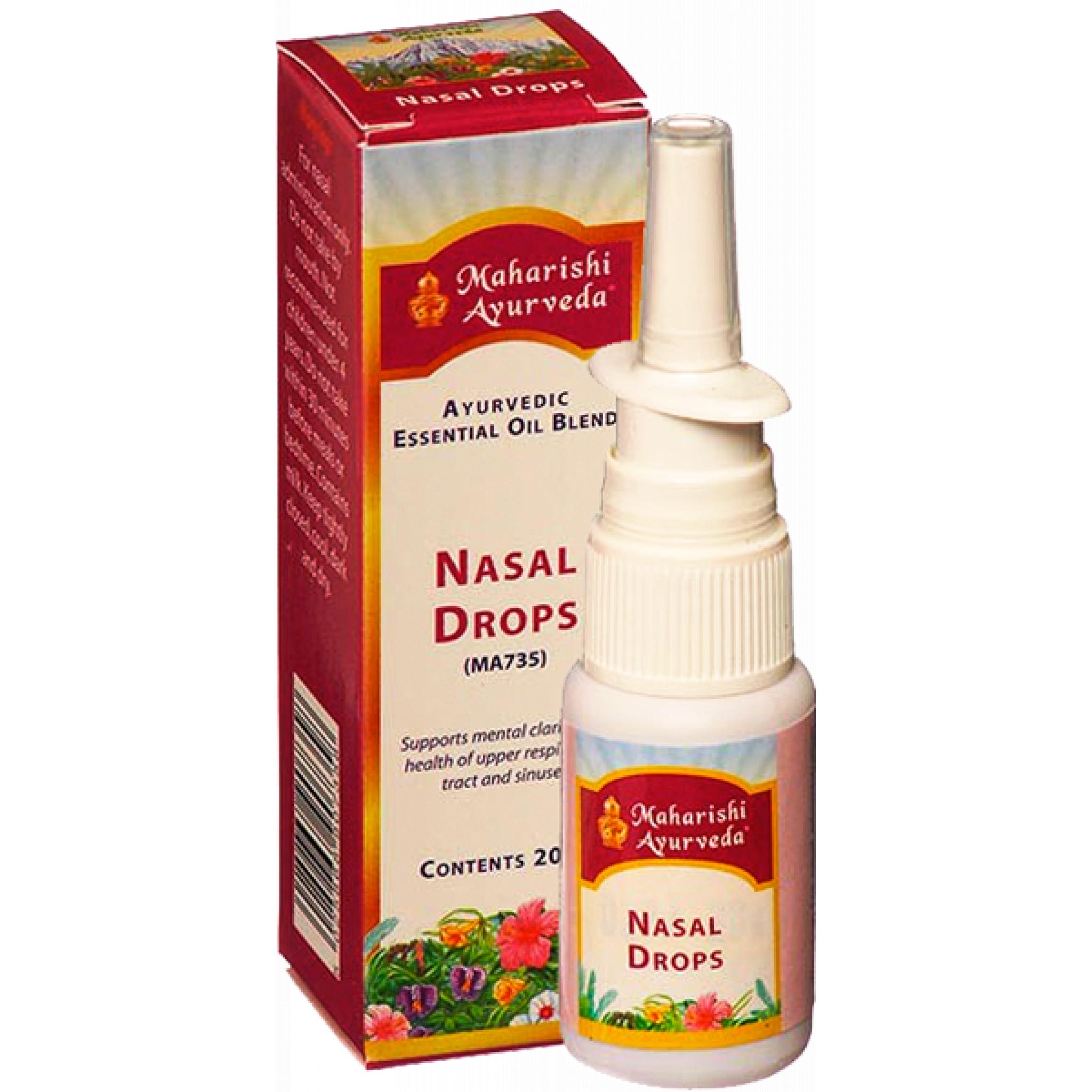
Nasal Drops
नाक की बूँदें
Syllable: Nasal Drops
Pronunciation: Naak Ki Boondein
- The doctor prescribed nasal drops. – डॉक्टर ने नाक की बूँदें लिखी हैं।
- Use the nasal drops as directed. – नाक की बूँदों का उपयोग निर्देश के अनुसार करें।
- The nasal drops are for the nose. – नाक की बूँदें नाक के लिए होती हैं।

Inhaler
इनहेलर
Syllable: Inhaler
Pronunciation: Inhaler
- The doctor prescribed an inhaler. – डॉक्टर ने इनहेलर लिखा है।
- Use the inhaler as directed. – इनहेलर का उपयोग निर्देश के अनुसार करें।
- Keep the inhaler clean. – इनहेलर को साफ़ रखें।

Antibiotic
एंटीबायोटिक
Syllable: Antibiotic
Pronunciation: Antibiotic
- Antibiotics treat certain bacterial infections. – एंटीबायोटिक कुछ जीवाणु संक्रमणों का उपचार करते हैं।
- The doctor prescribed an antibiotic. – डॉक्टर ने एंटीबायोटिक लिखी है।
- Use antibiotics only as prescribed. – एंटीबायोटिक का उपयोग केवल डॉक्टर के निर्देश के अनुसार करें।

Painkiller
दर्द निवारक
Syllable: Dard Nivarak
Pronunciation: Painkiller
- The doctor prescribed a painkiller. – डॉक्टर ने दर्द निवारक दवा लिखी है।
- The painkiller may relieve pain. – दर्द निवारक दवा दर्द कम कर सकती है।
- Take it only as directed. – इसे केवल निर्देश के अनुसार लें।

Paracetamol
पैरासिटामोल
Syllable: Paracetamol
Pronunciation: Paracetamol
- Paracetamol is used to reduce fever and pain. – पैरासिटामोल का उपयोग बुखार और दर्द कम करने के लिए किया जाता है।
- The doctor advised the correct dose. – डॉक्टर ने सही खुराक की सलाह दी।
- Follow the instructions on the label. – लेबल पर दिए निर्देशों का पालन करें।

Ibuprofen
आइबुप्रोफेन
Syllable: Ibuprofen
Pronunciation: Ibuprofen
- Ibuprofen can help relieve pain and inflammation. – आइबुप्रोफेन दर्द और सूजन कम करने में मदद कर सकता है।
- The doctor advised whether to use it. – डॉक्टर ने बताया कि इसका उपयोग करना है या नहीं।
- Follow the recommended dose. – अनुशंसित खुराक का पालन करें।
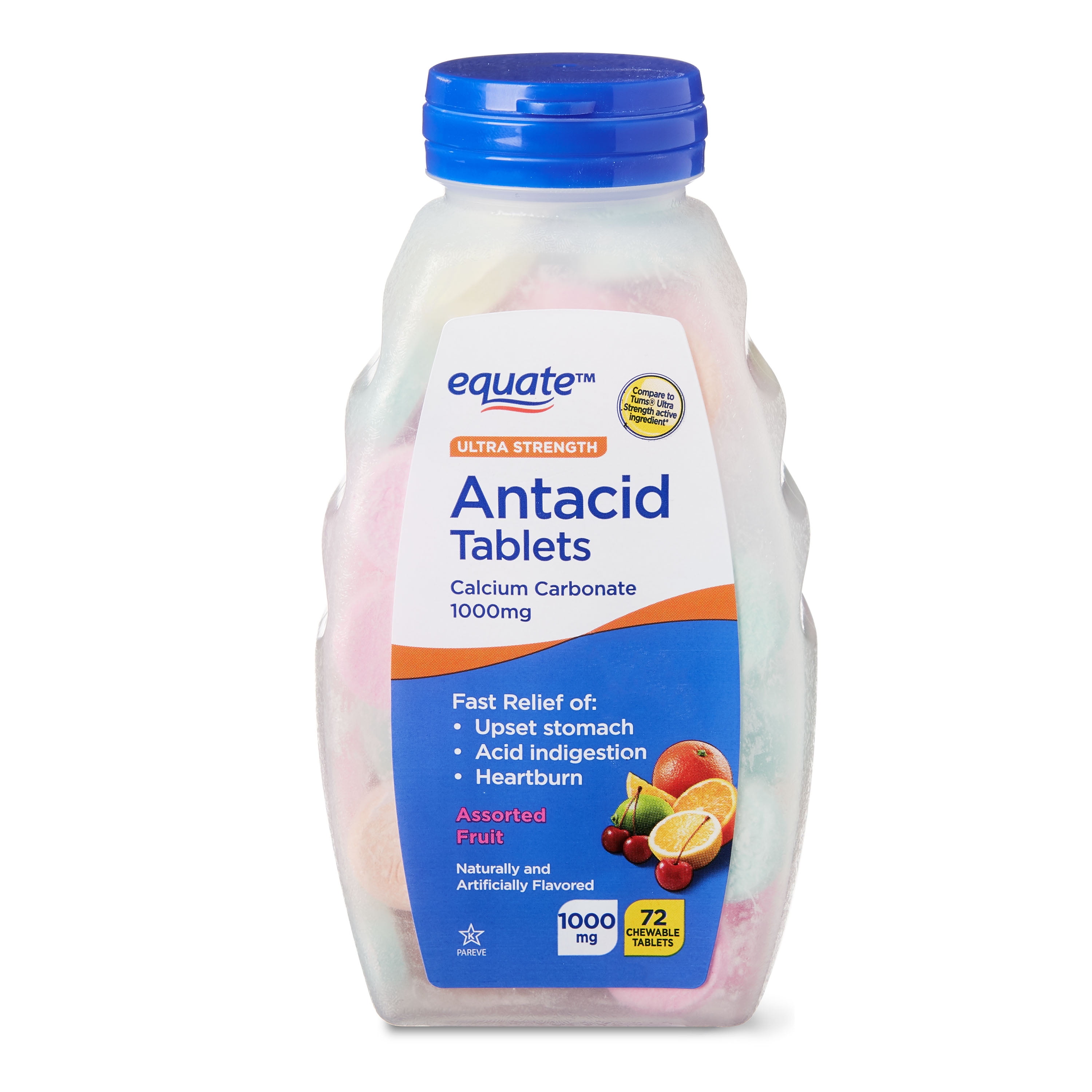
Antacid
अम्लनाशक
Syllable: Antacid
Pronunciation: Amlanashak
- An antacid can relieve heartburn. – अम्लनाशक सीने की जलन कम कर सकता है।
- The doctor recommended an antacid. – डॉक्टर ने अम्लनाशक की सलाह दी।
- Take it as directed. – इसे निर्देश के अनुसार लें।

Antihistamine
एंटीहिस्टामिन
Syllable: Antihistamine
Pronunciation: Antihistamine
- An antihistamine can help with allergy symptoms. – एंटीहिस्टामिन एलर्जी के लक्षणों में मदद कर सकता है।
- The doctor recommended an antihistamine. – डॉक्टर ने एंटीहिस्टामिन की सलाह दी।
- Use it according to the instructions. – इसका उपयोग निर्देश के अनुसार करें।
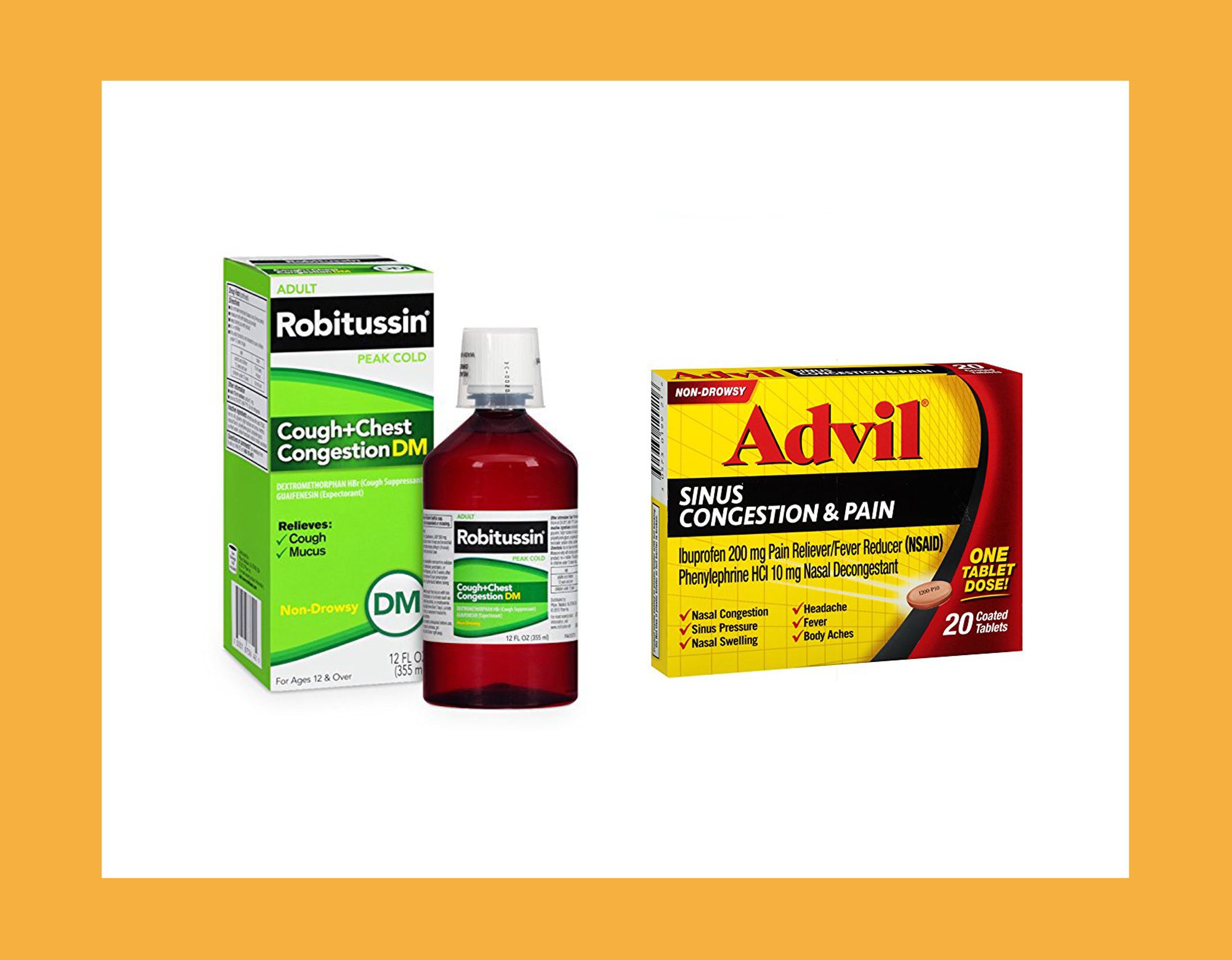
Cough Medicine
खाँसी की दवा
Syllable: Cough Medicine
Pronunciation: Khaansi Ki Dawa
- The doctor recommended cough medicine. – डॉक्टर ने खाँसी की दवा की सलाह दी।
- The cough medicine is in the cabinet. – खाँसी की दवा अलमारी में है।
- Use it as directed. – इसका उपयोग निर्देश के अनुसार करें।

Cold Medicine
सर्दी की दवा
Syllable: Cold Medicine
Pronunciation: Sardi Ki Dawa
- He took cold medicine after consulting a doctor. – उसने डॉक्टर से सलाह लेने के बाद सर्दी की दवा ली।
- The cold medicine is kept safely. – सर्दी की दवा सुरक्षित जगह पर रखी है।
- Follow the medicine instructions. – दवा के निर्देशों का पालन करें।
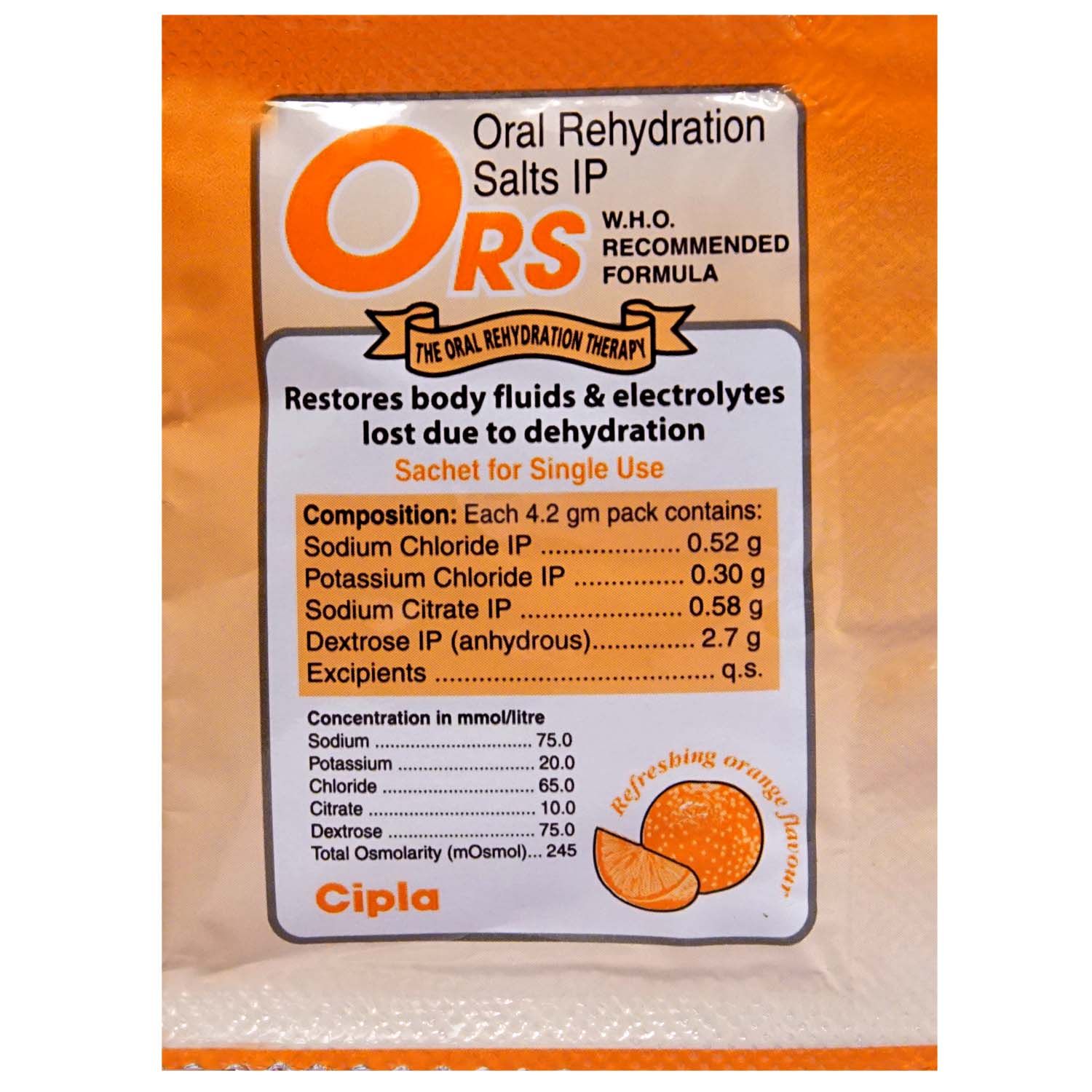
ORS
ओआरएस घोल
Syllable: ORS Solution
Pronunciation: ORS Ghol
- ORS helps replace fluids and salts. – ओआरएस शरीर में तरल और लवण की पूर्ति करने में मदद करता है।
- Prepare ORS according to the instructions. – निर्देश के अनुसार ओआरएस तैयार करें।
- Drink the prepared solution as directed. – तैयार घोल को निर्देश के अनुसार पिएँ।
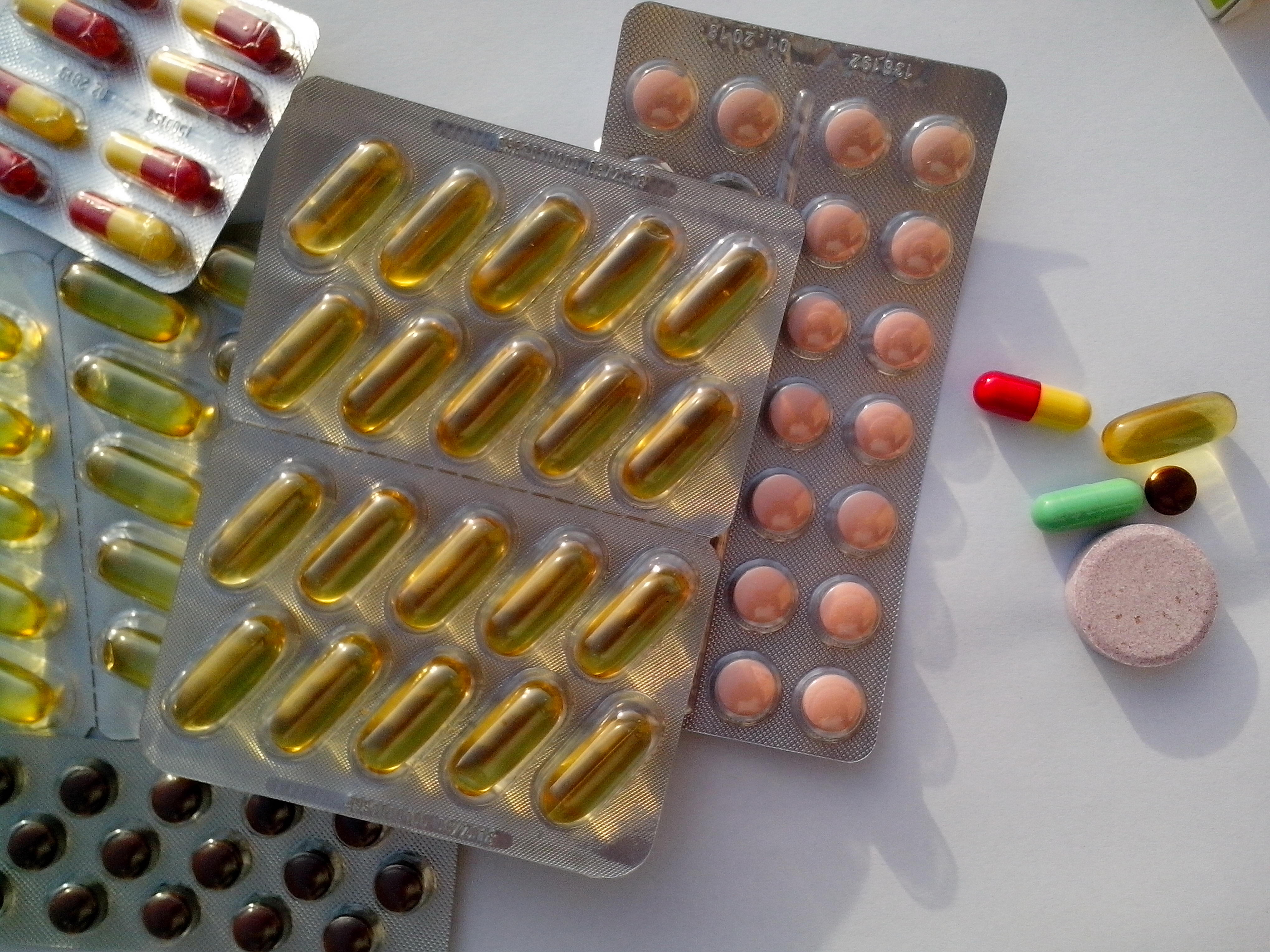
Vitamin Tablet
विटामिन की गोली
Syllable: Vitamin Tablet
Pronunciation: Vitamin Ki Goli
- The doctor recommended a vitamin tablet. – डॉक्टर ने विटामिन की गोली की सलाह दी।
- Take the vitamin tablet as directed. – विटामिन की गोली निर्देश के अनुसार लें।
- Do not take extra doses without advice. – सलाह के बिना अतिरिक्त खुराक न लें।

Iron Supplement
आयरन की दवा
Syllable: Iron Supplement
Pronunciation: Iron Ki Dawa
- The doctor prescribed an iron supplement. – डॉक्टर ने आयरन की दवा लिखी है।
- Take the supplement as directed. – सप्लीमेंट निर्देश के अनुसार लें।
- Keep the medicine away from children. – दवा बच्चों से दूर रखें।
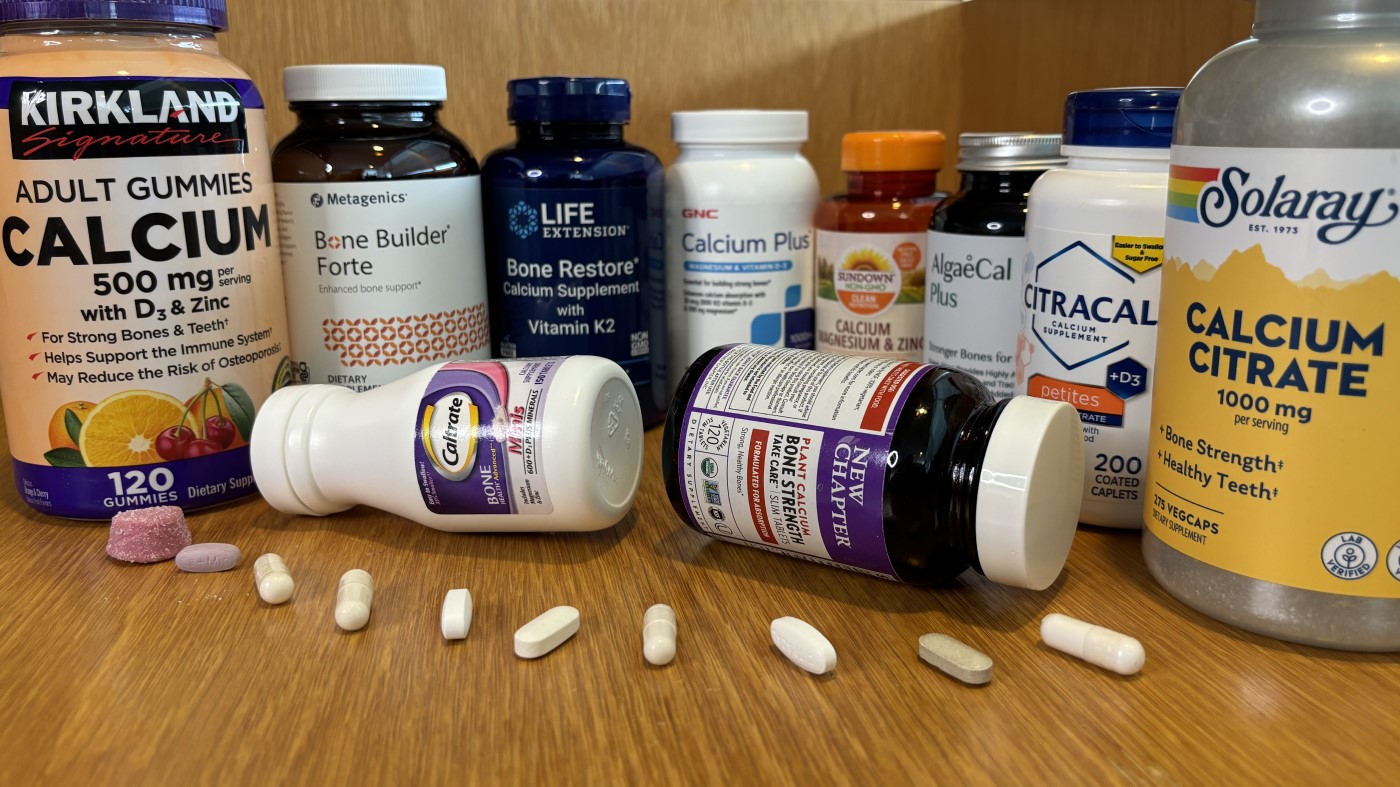
Calcium Supplement
कैल्शियम की दवा
Syllable: Calcium Supplement
Pronunciation: Calcium Ki Dawa
- The doctor recommended a calcium supplement. – डॉक्टर ने कैल्शियम की दवा की सलाह दी।
- Take the supplement as directed. – सप्लीमेंट निर्देश के अनुसार लें।
- Ask a doctor about the correct dose. – सही खुराक के बारे में डॉक्टर से पूछें।
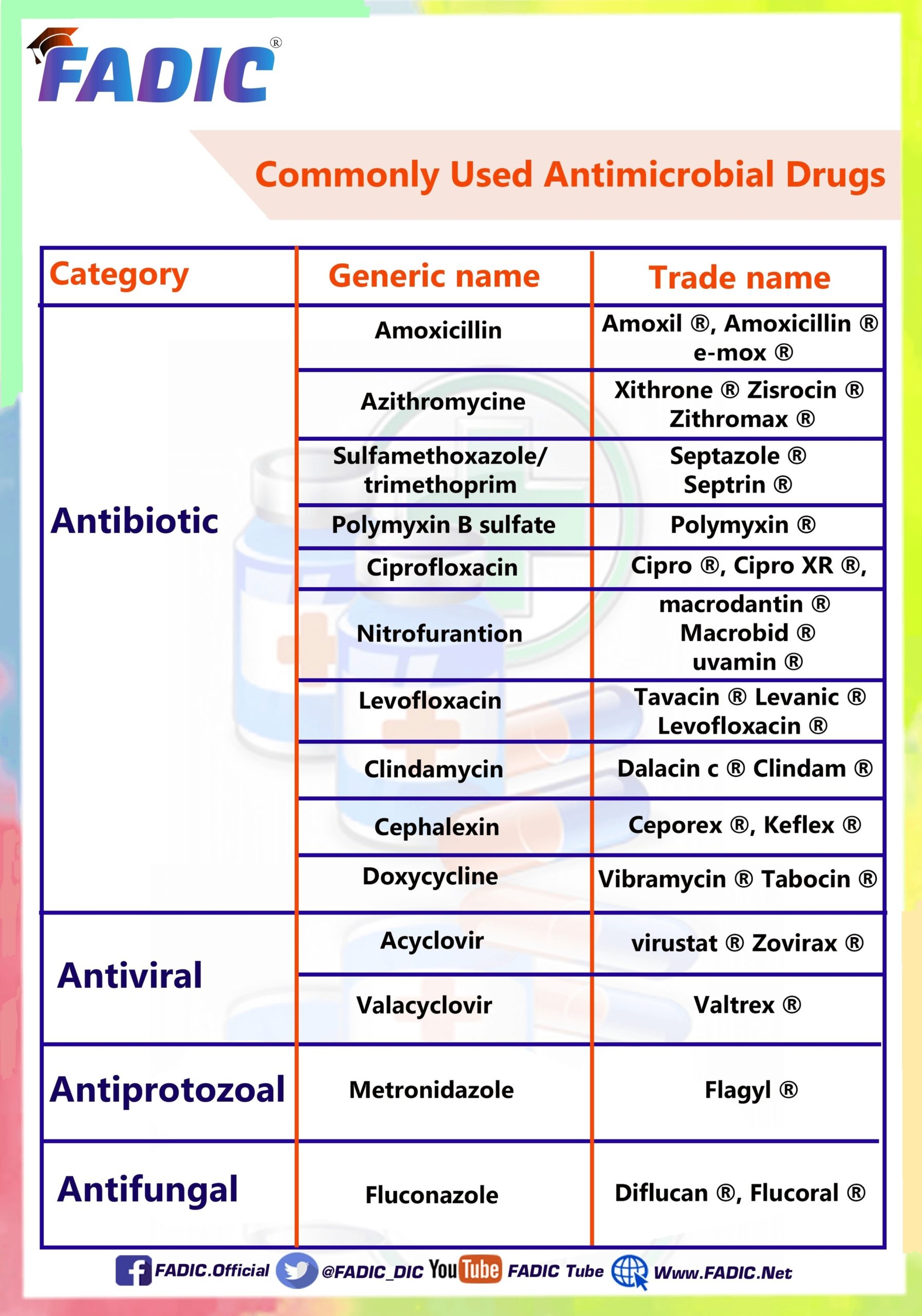
Antifungal Medicine
फंगल संक्रमण की दवा
Syllable: Antifungal Medicine
Pronunciation: Fungal Sankraman Ki Dawa
- The doctor prescribed an antifungal medicine. – डॉक्टर ने फंगल संक्रमण की दवा लिखी है।
- Use the medicine as directed. – दवा का उपयोग निर्देश के अनुसार करें।
- Complete the prescribed treatment. – निर्धारित उपचार पूरा करें।

Antiviral Medicine
वायरसरोधी दवा
Syllable: Antiviral Medicine
Pronunciation: Virusrodhi Dawa
- The doctor prescribed an antiviral medicine. – डॉक्टर ने वायरसरोधी दवा लिखी है।
- Use the medicine only as prescribed. – दवा का उपयोग केवल डॉक्टर के निर्देश के अनुसार करें।
- Follow the treatment instructions. – उपचार के निर्देशों का पालन करें।

Antiseptic
रोगाणुनाशक
Syllable: Antiseptic
Pronunciation: Rogananashak
- The nurse used an antiseptic. – नर्स ने रोगाणुनाशक का उपयोग किया।
- The antiseptic is for external use. – रोगाणुनाशक बाहरी उपयोग के लिए है।
- Use it according to the instructions. – इसका उपयोग निर्देश के अनुसार करें।
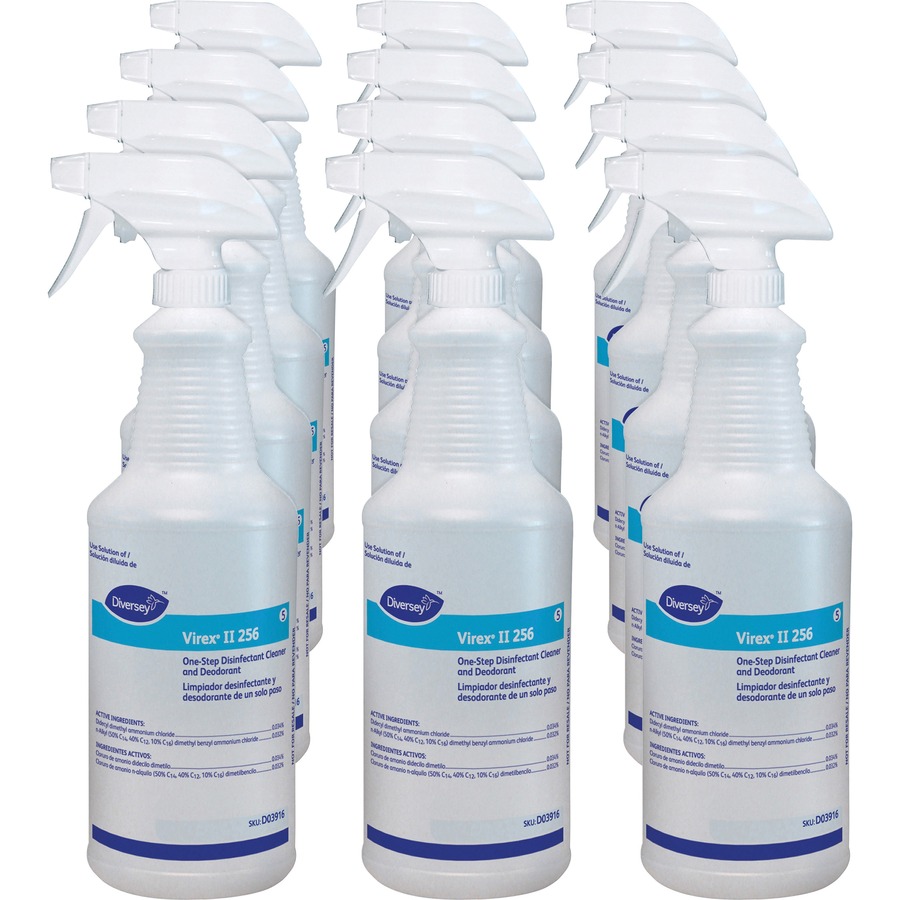
Disinfectant
कीटाणुनाशक
Syllable: Disinfectant
Pronunciation: Keetanu Nashak
- The disinfectant is used to kill germs on surfaces. – कीटाणुनाशक का उपयोग सतहों पर कीटाणुओं को नष्ट करने के लिए किया जाता है।
- Keep the disinfectant away from children. – कीटाणुनाशक को बच्चों से दूर रखें।
- Follow the label instructions. – लेबल पर दिए निर्देशों का पालन करें।
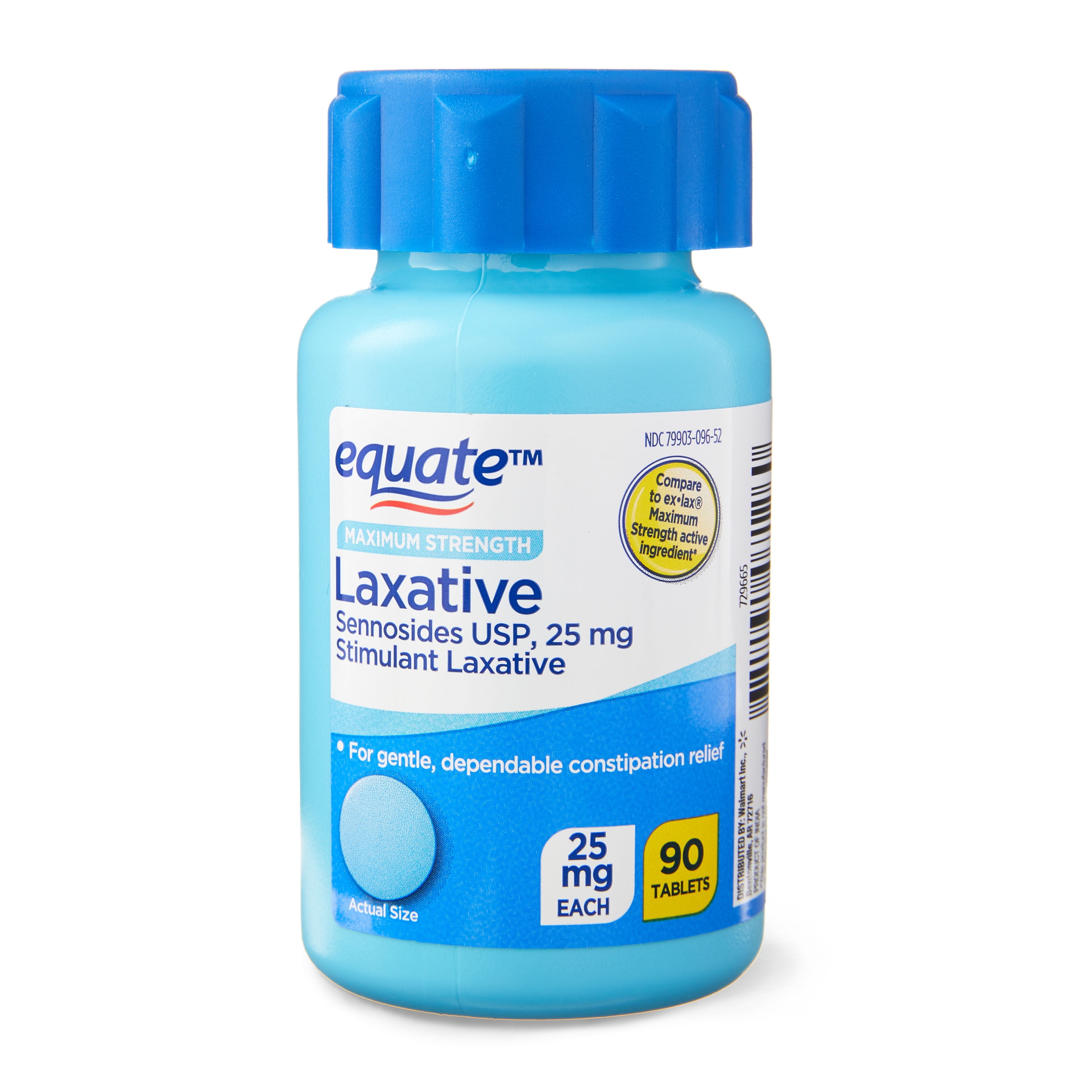
Laxative
रेचक
Syllable: Laxative
Pronunciation: Rechak
- The doctor recommended a laxative. – डॉक्टर ने रेचक की सलाह दी।
- Use the laxative only as directed. – रेचक का उपयोग केवल निर्देश के अनुसार करें।
- Ask a doctor if symptoms continue. – लक्षण बने रहने पर डॉक्टर से पूछें।
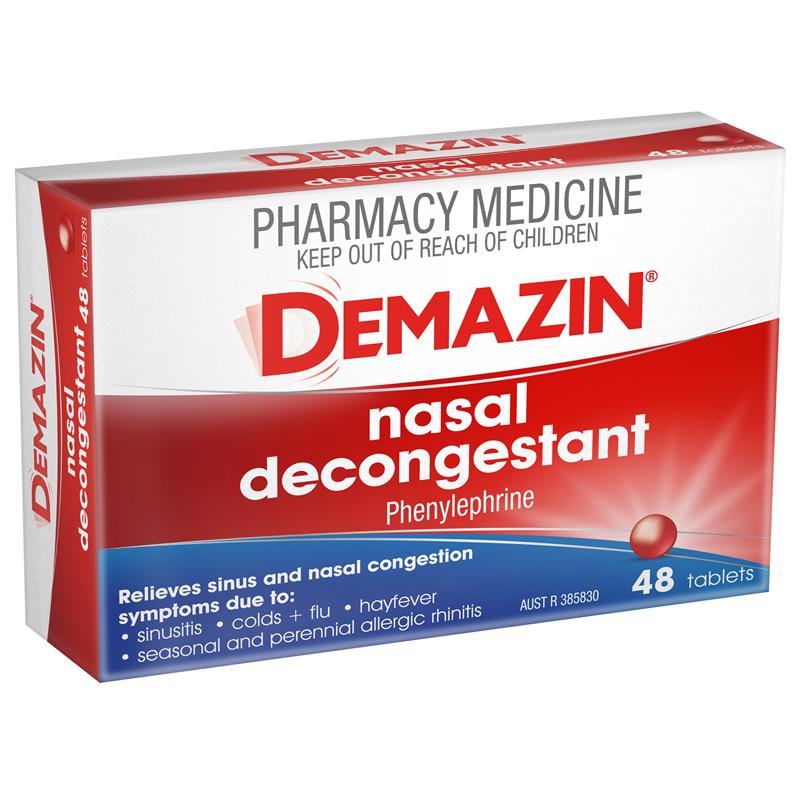
Decongestant
नाक बंद खोलने की दवा
Syllable: Decongestant
Pronunciation: Naak Band Kholne Ki Dawa
- The doctor recommended a decongestant. – डॉक्टर ने नाक बंद खोलने की दवा की सलाह दी।
- Use the medicine as directed. – दवा का उपयोग निर्देश के अनुसार करें।
- Ask a pharmacist about its use. – इसके उपयोग के बारे में फार्मासिस्ट से पूछें।
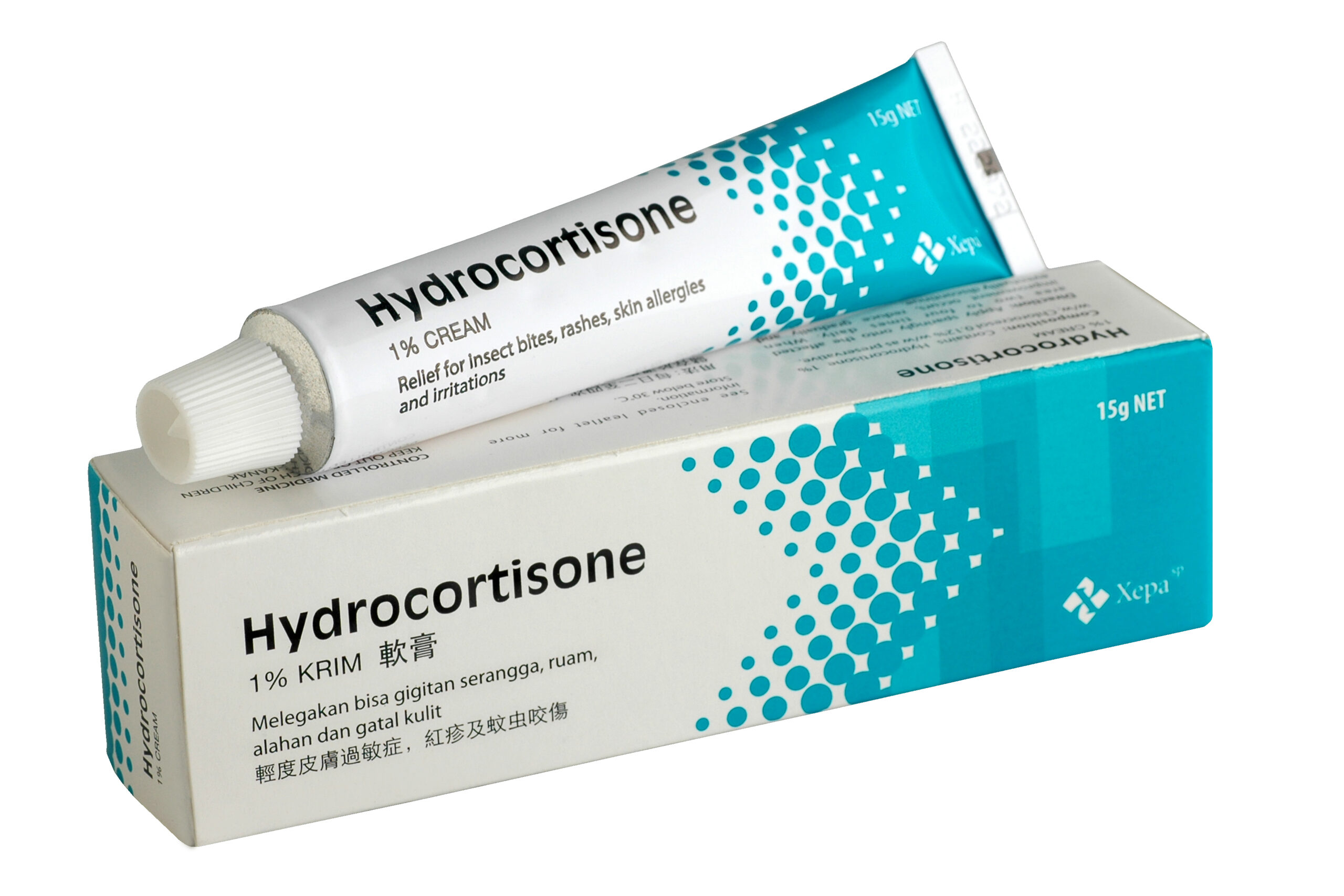
Steroid Cream
स्टेरॉयड क्रीम
Syllable: Steroid Cream
Pronunciation: Steroid Cream
- The doctor prescribed a steroid cream. – डॉक्टर ने स्टेरॉयड क्रीम लिखी है।
- Use the cream only as prescribed. – क्रीम का उपयोग केवल डॉक्टर के निर्देश के अनुसार करें।
- Do not use more than directed. – निर्देश से अधिक उपयोग न करें।
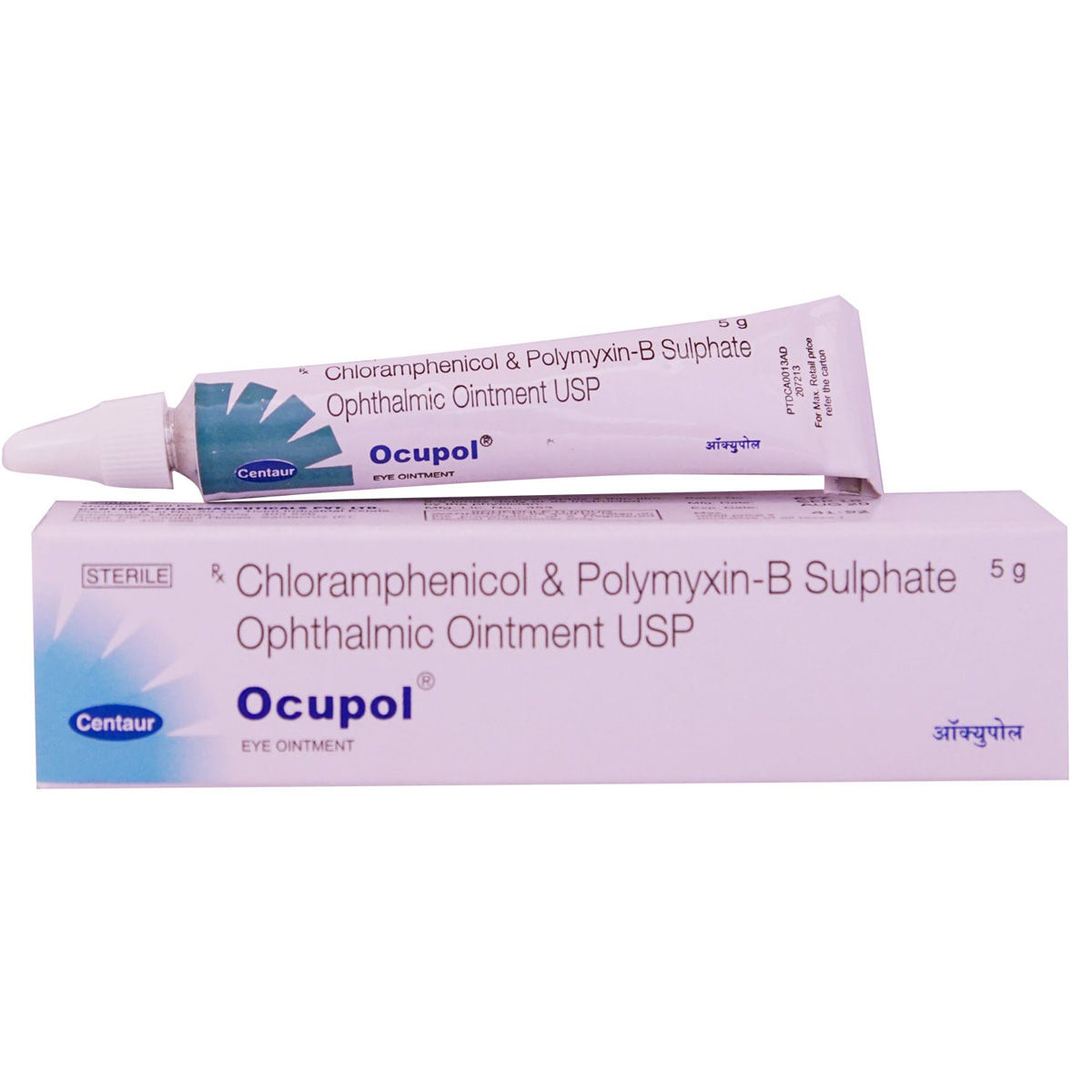
Eye Ointment
आँखों का मरहम
Syllable: Eye Ointment
Pronunciation: Aankhon Ka Marham
- The doctor prescribed eye ointment. – डॉक्टर ने आँखों का मरहम लिखा है।
- Apply it as directed. – इसे निर्देश के अनुसार लगाएँ।
- Keep the tube clean. – ट्यूब को साफ़ रखें।

Mouthwash
माउथवॉश
Syllable: Mouthwash
Pronunciation: Mouthwash
- Use mouthwash as directed. – माउथवॉश का उपयोग निर्देश के अनुसार करें।
- The dentist recommended a mouthwash. – दंत चिकित्सक ने माउथवॉश की सलाह दी।
- Do not swallow mouthwash. – माउथवॉश को निगलें नहीं।

Lozenge
चूसने की गोली
Syllable: Lozenge
Pronunciation: Choosne Ki Goli
- He took a throat lozenge. – उसने गले की चूसने वाली गोली ली।
- The lozenge can soothe the throat. – चूसने वाली गोली गले को आराम दे सकती है।
- Use it according to the instructions. – इसका उपयोग निर्देश के अनुसार करें।
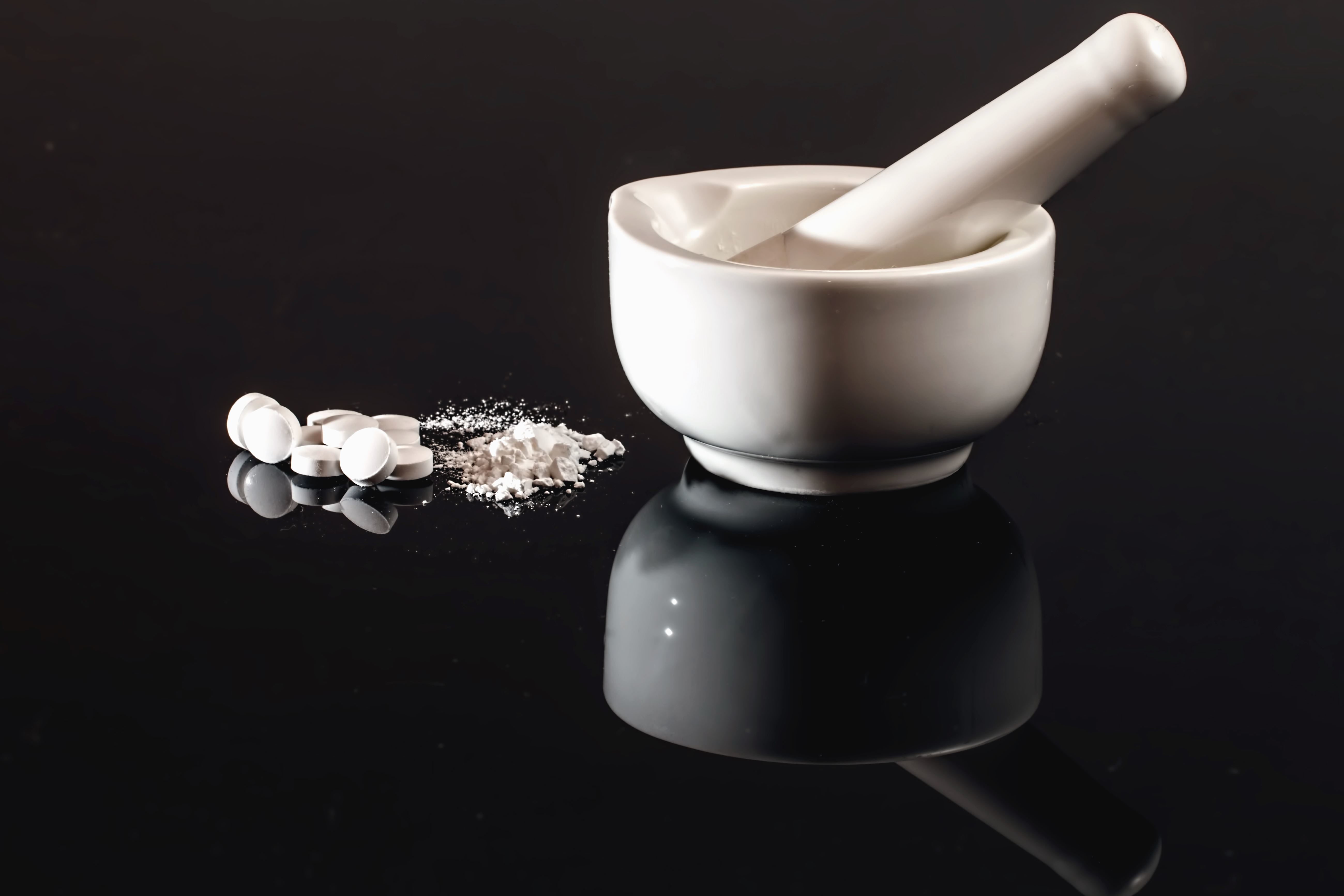
Medical Powder
औषधीय पाउडर
Syllable: Medical Powder
Pronunciation: Aushadhiya Powder
- The doctor prescribed a medical powder. – डॉक्टर ने औषधीय पाउडर लिखा है।
- Use the powder as directed. – पाउडर का उपयोग निर्देश के अनुसार करें।
- Keep the packet dry. – पैकेट को सूखा रखें।

Medical Gel
औषधीय जेल
Syllable: Medical Gel
Pronunciation: Aushadhiya Gel
- The doctor prescribed a medical gel. – डॉक्टर ने औषधीय जेल लिखा है।
- Apply the gel as directed. – जेल को निर्देश के अनुसार लगाएँ।
- Keep the tube closed. – ट्यूब को बंद रखें।
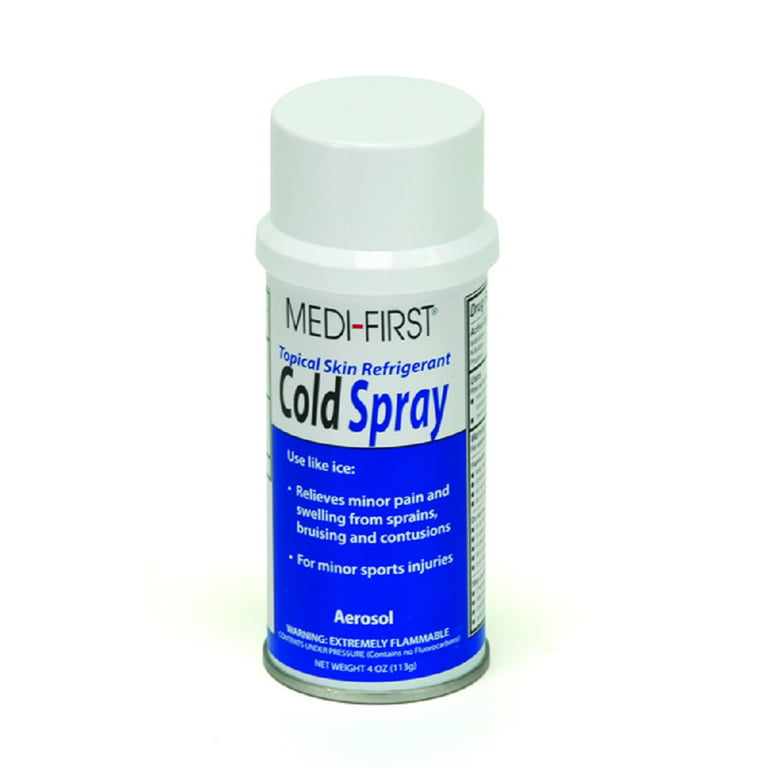
Medical Spray
औषधीय स्प्रे
Syllable: Medical Spray
Pronunciation: Aushadhiya Spray
- The doctor prescribed a medical spray. – डॉक्टर ने औषधीय स्प्रे लिखा है।
- Use the spray as directed. – स्प्रे का उपयोग निर्देश के अनुसार करें।
- Read the instructions carefully. – निर्देशों को ध्यान से पढ़ें।
Common Medicine Names in Hindi
Some common medicine-related names and forms include दवा, गोली, टैबलेट, कैप्सूल, सिरप, क्रीम, मरहम, जेल, ड्रॉप्स, स्प्रे, पाउडर, और इंजेक्शन.
These terms describe different forms in which medicines may be available.
A specific medicine may be available in more than one form, depending on the medicine and its intended use. The correct form and dose depend on the specific product and medical situation.
Popular Medicine Forms in Hindi
दवा (Medicine) is a general Hindi word for medicine or medication. It can refer to many different types of medicines.
गोली (Pill/Tablet) is a solid form of medicine that is usually taken by mouth.
टैबलेट (Tablet) is another commonly used term for a compressed solid medicine.
कैप्सूल (Capsule) is a medicine enclosed in a soluble shell, usually taken by mouth.
सिरप (Syrup) is a liquid medicine. Some syrups are formulated to make medicines easier to take.
क्रीम (Cream) is a topical preparation that is applied to the skin.
मरहम (Ointment) is a thicker topical preparation applied to the skin.
जेल (Gel) is a semi-solid preparation that may be applied to the skin or used in other specific formulations.
ड्रॉप्स (Drops) are liquid medicines designed for specific uses, such as eye, ear, or nose preparations.
स्प्रे (Spray) delivers medicine in a sprayed form and can be designed for different parts of the body.
इंजेक्शन (Injection) refers to medicine administered using an injection rather than taken orally.
Pain Relief Medicines in Hindi
Pain-relief medicines are commonly discussed when talking about headaches, muscle pain, toothache, joint pain, and other types of discomfort.
Useful vocabulary includes दर्द की दवा for pain medicine, दर्द निवारक for pain reliever, and बुखार की दवा for fever medicine.
Some medicines can reduce pain or fever, but not every pain-relief medicine is suitable for every person. Age, medical conditions, allergies, other medicines, and the specific cause of pain can all matter.
Therefore, medicines should be taken according to appropriate medical or product instructions.
Fever Medicines in Hindi
Fever-related medicine vocabulary includes बुखार की दवा, बुखार कम करने की दवा, and दर्द निवारक.
बुखार means fever, while बुखार की दवा refers generally to medicine used for fever.
Fever can occur for many different reasons, including infections and other medical conditions. Treating the fever does not necessarily treat its underlying cause.
Persistent, very high, or concerning fever may require professional medical evaluation.
Cold and Cough Medicines in Hindi
Cold and cough are common health-related topics in everyday conversations.
Useful terms include सर्दी की दवा for cold medicine, खाँसी की दवा for cough medicine, कफ सिरप for cough syrup, and नाक की ड्रॉप्स for nasal drops.
Different cough medicines are designed for different symptoms, and some products may not be appropriate for young children.
Medicine labels and professional advice should be followed carefully, especially when giving medicines to children.
Allergy Medicines in Hindi
Allergy-related medicine vocabulary includes एलर्जी की दवा, एंटीहिस्टामिन, and एलर्जी की क्रीम.
एंटीहिस्टामिन refers to medicines that can be used to manage certain allergy symptoms.
Allergic reactions can range from mild symptoms to serious emergencies. Severe symptoms such as difficulty breathing or swelling of the face, lips, tongue, or throat require urgent medical attention.
Stomach Medicines in Hindi
Stomach and digestive problems are often discussed using words such as पेट की दवा, अपच की दवा, एसिडिटी की दवा, and दस्त की दवा.
अपच means indigestion, while एसिडिटी is commonly used in Hindi for acidity or acid-related digestive discomfort.
Digestive symptoms can have many different causes. Medicines should therefore be selected according to the specific condition and appropriate medical guidance.
Skin Medicines in Hindi
Medicines for skin conditions are often applied directly to the affected area.
Common vocabulary includes त्वचा की दवा, क्रीम, मरहम, जेल, and लोशन.
These products may be used for different skin conditions, including irritation, dryness, fungal infections, or inflammation, depending on the specific medicine.
A cream or ointment should not automatically be assumed to be suitable for every skin problem.
Eye Medicines in Hindi
Eye medicines are commonly available as drops, ointments, or other specialized preparations.
Useful terms include आँखों की दवा, आँखों की ड्रॉप्स, and आँखों का मरहम.
Eye medicines should be used carefully because different eye conditions require different treatments.
Sharing eye drops with another person is generally not appropriate unless specifically advised by a healthcare professional.
Ear and Nose Medicines in Hindi
Some medicines are designed specifically for the ears or nose.
Useful vocabulary includes कान की ड्रॉप्स, नाक की ड्रॉप्स, नाक का स्प्रे, and कान की दवा.
Different ear and nose conditions may require completely different treatments. Therefore, a medicine intended for one purpose should not automatically be used for another.
Vitamin and Supplement Names in Hindi
Health-related vocabulary also includes terms for vitamins and nutritional supplements.
Common terms include विटामिन, विटामिन की गोली, मल्टीविटामिन, कैल्शियम की गोली, and आयरन की गोली.
These products may be recommended in particular situations, but supplements are not automatically necessary for everyone.
Appropriate use depends on individual nutritional needs, medical conditions, diet, and professional advice.
Antibiotics Names in Hindi
एंटीबायोटिक means antibiotic. Antibiotics are medicines used to treat certain bacterial infections.
Common Hindi phrases include एंटीबायोटिक दवा and एंटीबायोटिक की गोली.
Antibiotics do not treat viral infections such as many common colds and influenza. They should be used only when appropriate and according to the instructions of a qualified healthcare professional.
Taking antibiotics unnecessarily or stopping them incorrectly can contribute to antibiotic resistance and other problems.
Medicines for Chronic Conditions in Hindi
Some people use medicines regularly to manage long-term health conditions.
Useful vocabulary includes मधुमेह की दवा for diabetes medicine, रक्तचाप की दवा for blood-pressure medicine, and अस्थमा की दवा for asthma medicine.
Some long-term medicines need to be taken regularly according to a healthcare professional’s instructions.
Patients should not stop, change, or restart prescribed medicines without appropriate medical advice.
Herbal and Traditional Medicines in Hindi
Hindi vocabulary also includes terms related to herbal and traditional medicines.
Common words include आयुर्वेदिक दवा, जड़ी-बूटी, हर्बल दवा, काढ़ा, and औषधि.
औषधि is a more formal Hindi word for medicine or medicinal preparation.
Traditional or herbal products can still have active effects and may interact with other medicines. They should therefore be used responsibly and with appropriate professional guidance when necessary.
Medicine and Pharmacy Vocabulary in Hindi
Learning medicine names becomes easier when learners also know common pharmacy-related words.
Useful vocabulary includes फार्मेसी for pharmacy, दवा की दुकान for medicine shop or pharmacy, फार्मासिस्ट for pharmacist, नुस्खा for prescription, खुराक for dose, लेबल for label, and दवा की बोतल for medicine bottle.
Other useful words include मरीज for patient, डॉक्टर for doctor, अस्पताल for hospital, क्लिनिक for clinic, and इलाज for treatment.
These words are commonly used when discussing medicines and healthcare.
Medicine and Their Common Uses
Different medicines and medicine forms are designed for different purposes.
गोली and कैप्सूल are common oral medicine forms. सिरप is a liquid form, while क्रीम, मरहम, and जेल are commonly used for topical applications.
ड्रॉप्स can be designed for the eyes, ears, or nose, depending on the product. स्प्रे can also be formulated for different uses.
The correct medicine depends on the specific condition, the person using it, the active ingredient, and the instructions provided by a healthcare professional or the product label.
Difference Between Medicine and Medical Treatment
दवा generally means medicine or medication, while इलाज means treatment.
Treatment can include medicines, but it may also involve other approaches such as surgery, physical therapy, lifestyle changes, or observation, depending on the condition.
For example, a doctor may recommend दवा as part of a broader इलाज.
Understanding this difference helps Hindi learners use health-related vocabulary more accurately.
Why Learning With Pictures Is Helpful
Learning medicine names with pictures makes vocabulary easier to recognize because learners can connect each Hindi word with the appearance or form of a medicine.
For example, seeing an educational picture of a गोली, कैप्सूल, or सिरप can help learners remember the corresponding Hindi vocabulary.
Pictures are especially useful for children and beginners. Teachers can use simple medicine illustrations for worksheets, flashcards, classroom activities, and Hindi vocabulary lessons.
For safety reasons, educational images should not be used to encourage children to identify or take medicines without adult supervision.
Practice Activities
Practice medicine vocabulary by looking at simple educational pictures and trying to identify the Hindi word before checking its English meaning.
Choose several medicine-related words each day and write their Hindi names in a notebook. Next to each word, write the English meaning and identify whether it describes a medicine, medicine form, symptom, or healthcare term.
You can also group vocabulary into categories such as गोली, कैप्सूल, सिरप, क्रीम, मरहम, ड्रॉप्स, and स्प्रे. This makes it easier to remember different medicine forms.
Another useful activity is to create picture flashcards. Put a simple picture of a medicine form on one side and its Hindi name on the other side. Review the cards regularly to strengthen vocabulary.
Hindi Medicine Name
| # | English Medicine Name | Hindi Medicine Name |
|---|---|---|
| 1 | Medicine | दवा |
| 2 | Tablet | गोली |
| 3 | Capsule | कैप्सूल |
| 4 | Syrup | सिरप |
| 5 | Injection | इंजेक्शन |
| 6 | Ointment | मरहम |
| 7 | Cream | क्रीम |
| 8 | Lotion | लोशन |
| 9 | Eye Drops | आँखों की बूँदें |
| 10 | Ear Drops | कान की बूँदें |
| 11 | Nasal Drops | नाक की बूँदें |
| 12 | Inhaler | इनहेलर |
| 13 | Antibiotic | एंटीबायोटिक |
| 14 | Painkiller | दर्द निवारक |
| 15 | Paracetamol | पैरासिटामोल |
| 16 | Ibuprofen | आइबुप्रोफेन |
| 17 | Antacid | अम्लनाशक |
| 18 | Antihistamine | एंटीहिस्टामिन |
| 19 | Cough Medicine | खाँसी की दवा |
| 20 | Cold Medicine | सर्दी की दवा |
| 21 | ORS | ओआरएस घोल |
| 22 | Vitamin Tablet | विटामिन की गोली |
| 23 | Iron Supplement | आयरन की दवा |
| 24 | Calcium Supplement | कैल्शियम की दवा |
| 25 | Antifungal Medicine | फंगल संक्रमण की दवा |
| 26 | Antiviral Medicine | वायरसरोधी दवा |
| 27 | Antiseptic | रोगाणुनाशक |
| 28 | Disinfectant | कीटाणुनाशक |
| 29 | Laxative | रेचक |
| 30 | Decongestant | नाक बंद खोलने की दवा |
| 31 | Steroid Cream | स्टेरॉयड क्रीम |
| 32 | Eye Ointment | आँखों का मरहम |
| 33 | Mouthwash | माउथवॉश |
| 34 | Lozenge | चूसने की गोली |
| 35 | Medical Powder | औषधीय पाउडर |
| 36 | Medical Gel | औषधीय जेल |
| 37 | Medical Spray | औषधीय स्प्रे |
1. What is the Hindi name for Medicine?
2. What is the Hindi name for Tablet?
3. What is the Hindi name for Capsule?
4. What is the Hindi name for Syrup?
5. What is the Hindi name for Injection?
6. What is the Hindi name for Ointment?
7. What is the Hindi name for Cream?
8. What is the Hindi name for Lotion?
9. What is the Hindi name for Eye Drops?
10. What is the Hindi name for Ear Drops?
11. What is the Hindi name for Nasal Drops?
12. What is the Hindi name for Inhaler?
13. What is the Hindi name for Antibiotic?
14. What is the Hindi name for Painkiller?
15. What is the Hindi name for Paracetamol?
16. What is the Hindi name for Ibuprofen?
17. What is the Hindi name for Antacid?
18. What is the Hindi name for Antihistamine?
19. What is the Hindi name for Cough Medicine?
20. What is the Hindi name for Cold Medicine?
21. What is the Hindi name for ORS?
22. What is the Hindi name for Vitamin Tablet?
23. What is the Hindi name for Iron Supplement?
24. What is the Hindi name for Calcium Supplement?
25. What is the Hindi name for Antifungal Medicine?
26. What is the Hindi name for Antiviral Medicine?
27. What is the Hindi name for Antiseptic?
28. What is the Hindi name for Disinfectant?
29. What is the Hindi name for Laxative?
30. What is the Hindi name for Decongestant?
31. What is the Hindi name for Steroid Cream?
32. What is the Hindi name for Eye Ointment?
33. What is the Hindi name for Mouthwash?
34. What is the Hindi name for Lozenge?
35. What is the Hindi name for Medical Powder?
36. What is the Hindi name for Medical Gel?
37. What is the Hindi name for Medical Spray?
Why Hindi Medicine Names Matter
Medicine vocabulary is an important part of practical Hindi because people often need to understand conversations about illness, doctors, pharmacies, prescriptions, treatment, and healthcare.
Words such as दवा, गोली, कैप्सूल, सिरप, क्रीम, मरहम, ड्रॉप्स, इंजेक्शन, और नुस्खा are useful when discussing basic medicine-related topics.
Learning these words can also help students understand Hindi health materials, pharmacy-related conversations, and simple instructions.
However, learning medicine names does not mean that a person should self-diagnose or choose medicines without appropriate guidance. Medicines should be used according to professional advice and product instructions.
By learning medicine names in Hindi with pictures, students can build practical health-related Hindi vocabulary and become more confident when understanding basic conversations about medicines and healthcare.
Continue Exploring Hindi Vocabulary
Learning medicine vocabulary is another useful step toward improving everyday Hindi. After learning these words, you can continue exploring other useful Hindi vocabulary topics such as diseases names, body parts names, food names, drinks names, animal names, school items, stationery items, household items, kitchen items, electronic items, sports names, games names, and toys names.
Keep practicing the Hindi words regularly and use simple educational pictures whenever possible. Connecting each word with a clear meaning or familiar medicine form can make Hindi vocabulary easier to remember and more useful in everyday communication.